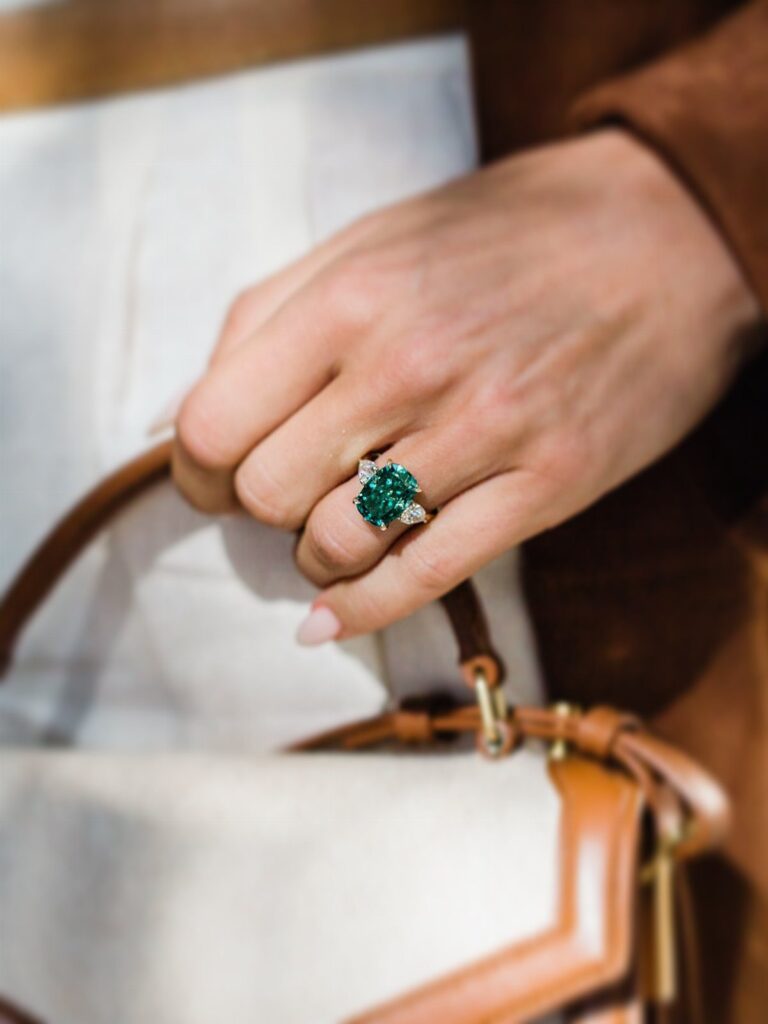
Colored stones in this list run from pale aquamarine and mint garnet to deep ruby and blue sapphire, with vintage rings and raw cuts at the edges.
Your metal choice settles faster than the stone’s name does: yellow gold warms citrine and peridot, while silver-toned metal keeps aquamarine and teal sapphire cool.
1. Emerald
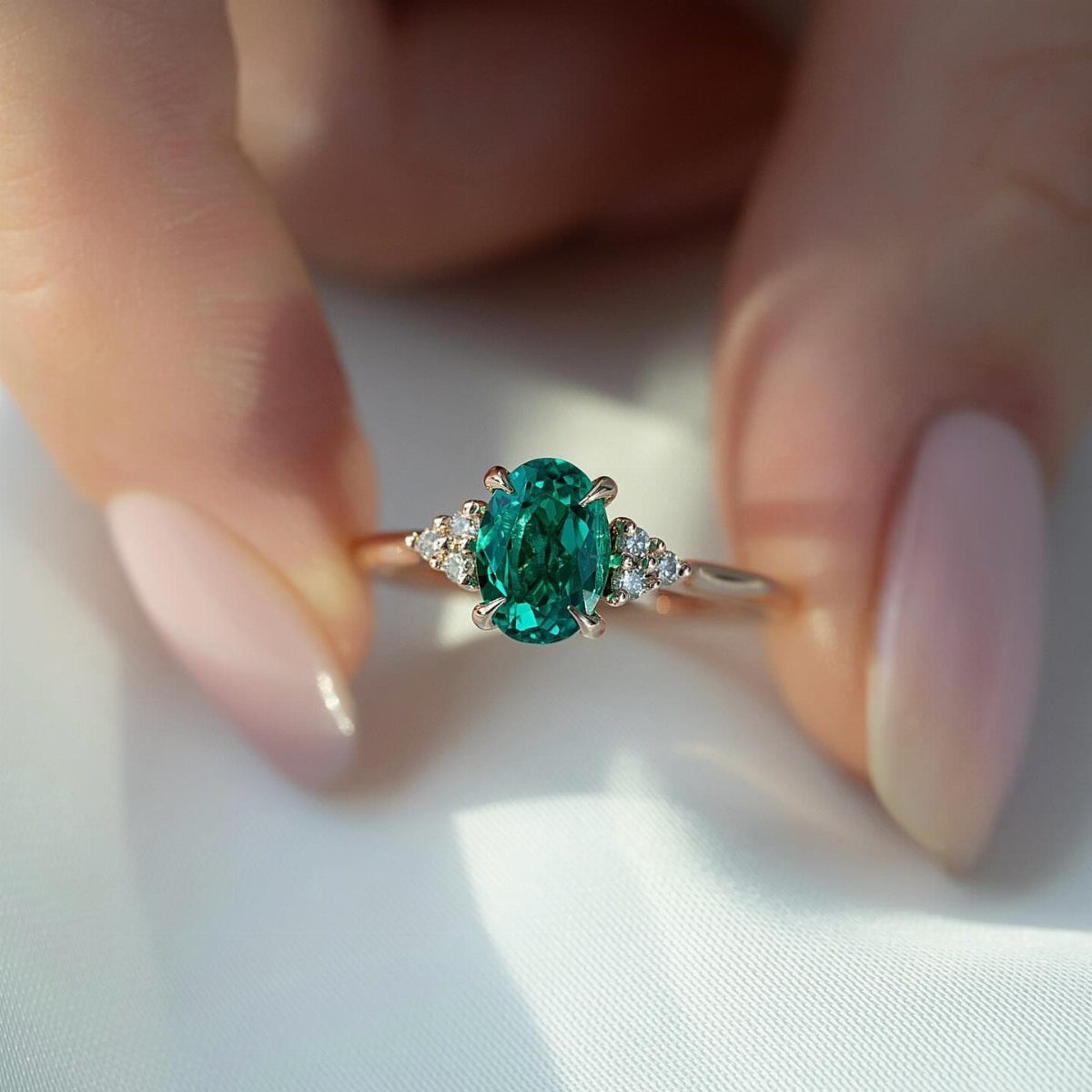
Green stones can look flat or muddy next to white diamonds, and an oval emerald with small diamonds on the sides avoids both. The diamonds give the green a bright frame, so the color stays the focus.
I’d pick this over a larger, plainer solitaire. The oval shape reads as classic, and the side stones add sparkle without competing with the center.
Ask to see the stone in daylight before you buy. Green shows its true depth best away from jewelry-store lighting.
2. Fancy-colored Diamonds
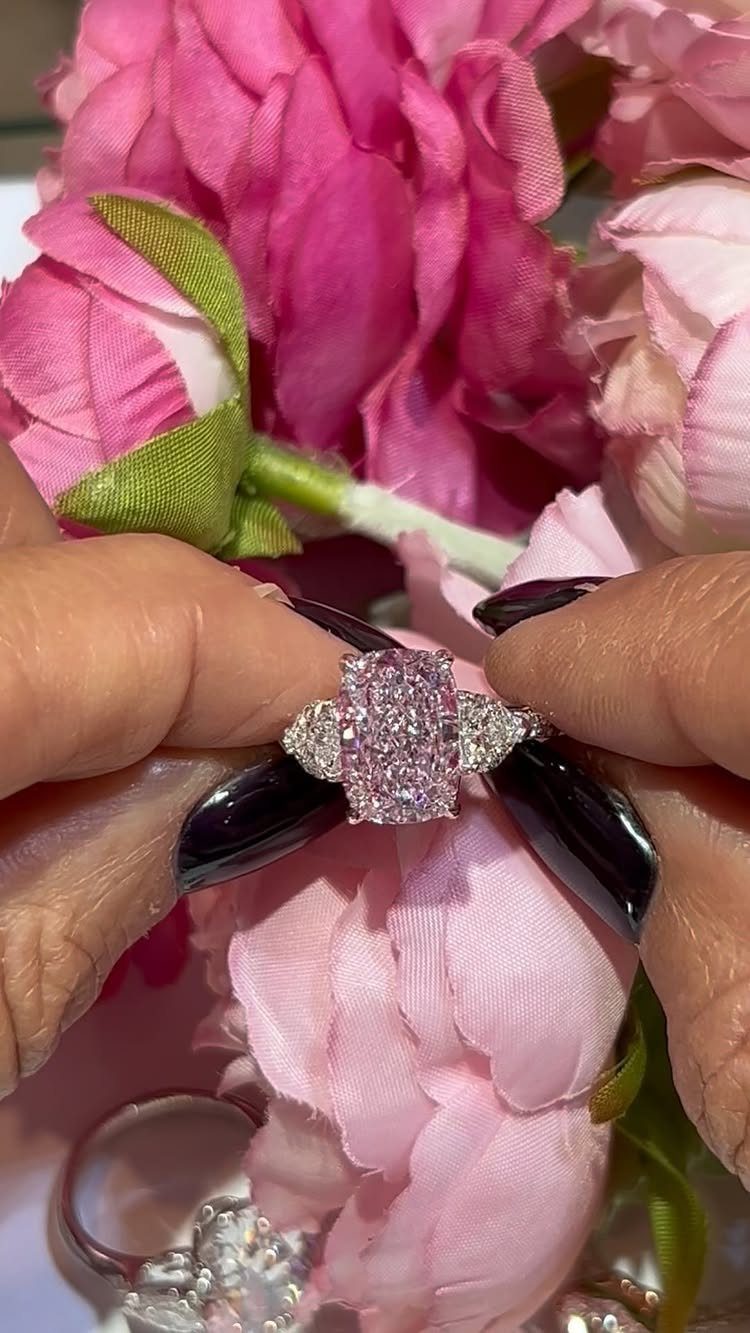
A pink diamond swaps the usual icy white for a color, and a cluster setting spreads that color across several stones instead of resting it all on one.
That suits a budget: a group of small pink stones is a gentler ask than a single large one.
Fancy-colored diamonds are an alternative to traditional white diamonds, and I like them for anyone who wants the diamond hardness without the expected look.
Compare the color of every stone in the cluster side by side, since uneven shades are easy to miss in a listing photo.
3. Blue Sapphire
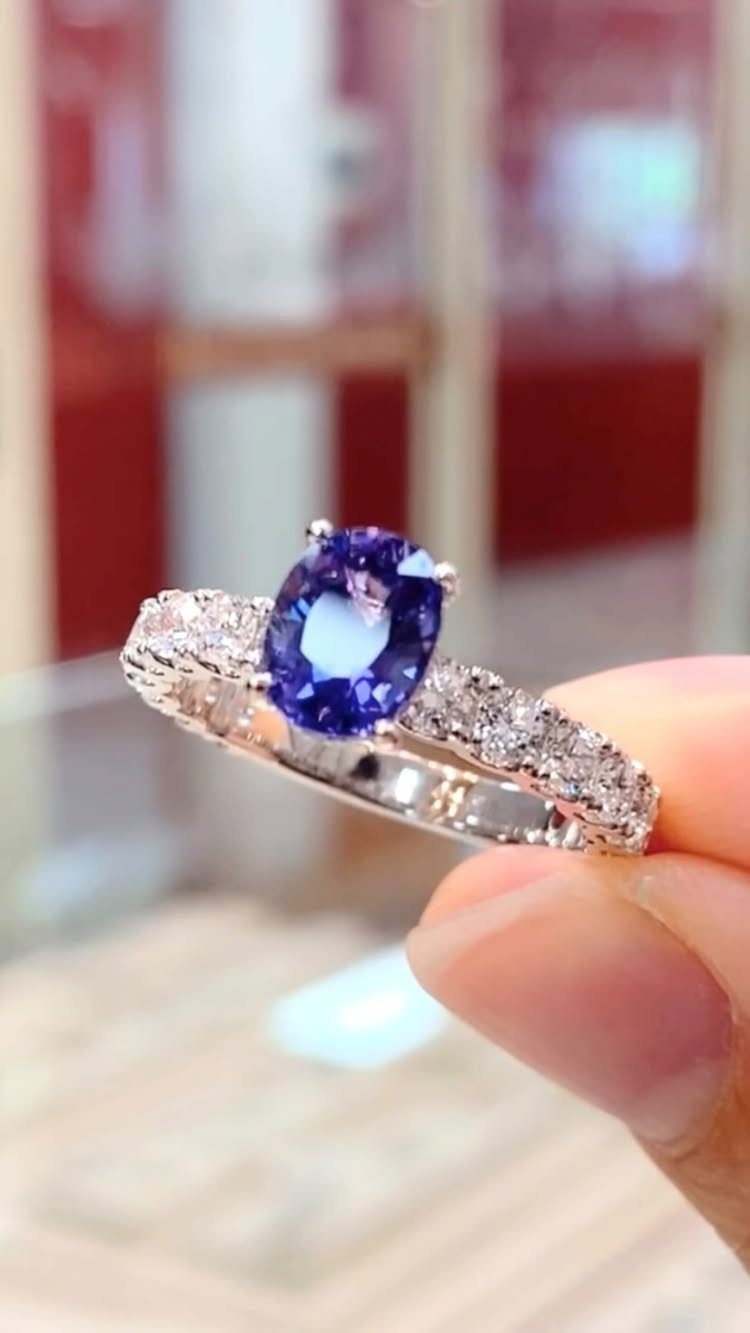
Blue sapphire has the regal reputation, and it earns it: loyalty, wisdom, and commitment are the meanings people attach to it. A large oval center with smaller clear stones alongside is a traditional way to wear it.
As an alternative to the classic diamond, it keeps the formality while changing the color entirely. That makes it a good fit if you want a ring that looks timeless rather than trendy.
Look at the stone under different light, because blues can shift toward purple depending on the setting and the room.
4. Pink Sapphire
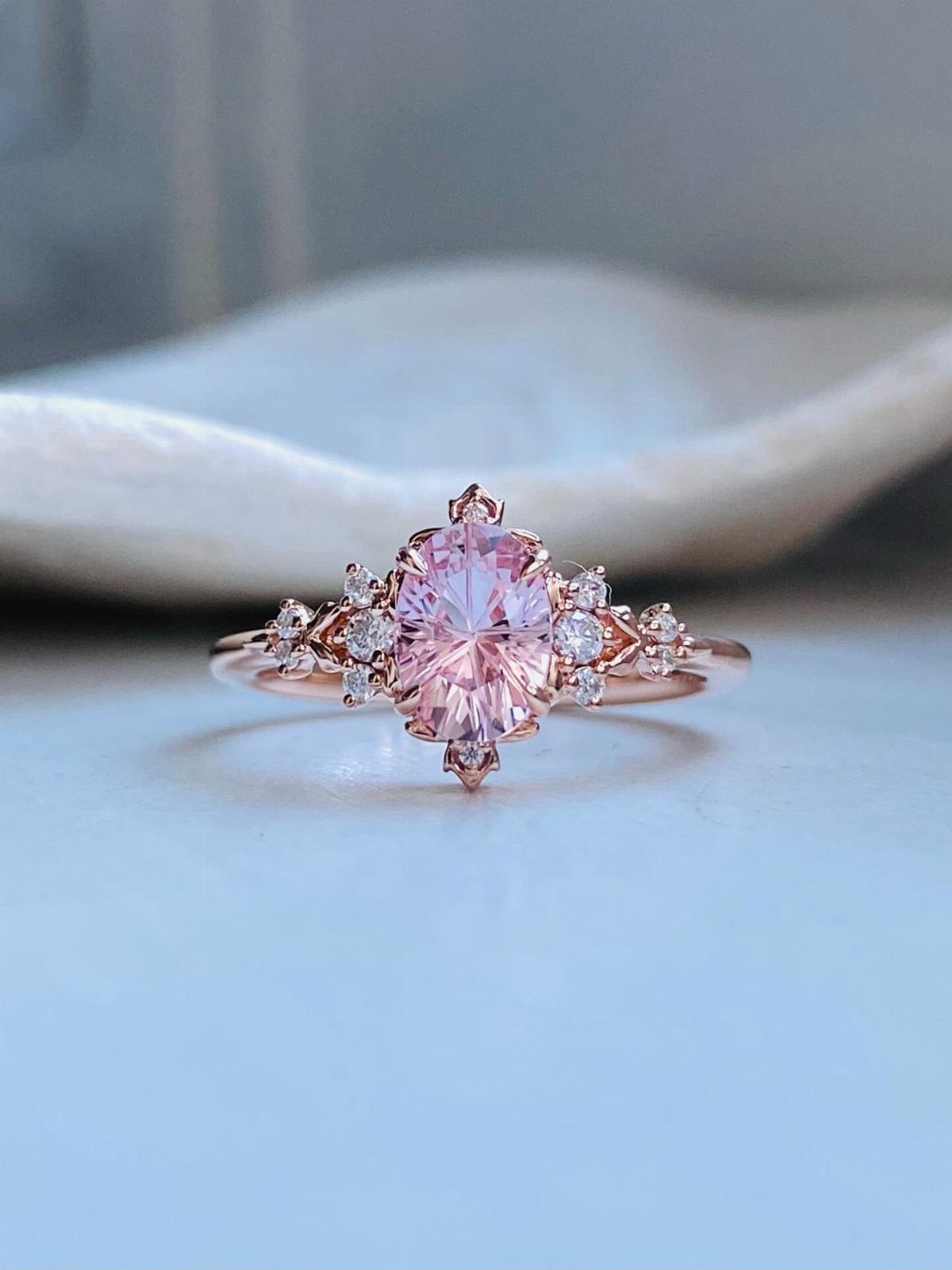
Most people think blue when they hear sapphire, which makes pink feel like a find. Pink is one of the rarest colors the stone comes in, so the ring starts conversations.
Rose gold is my pick for the setting. It echoes the stone’s warmth, and small white diamonds around the oval keep the pink from looking sweet to the point of soft.
If budget is tight, ask a jeweler for a few pink sapphires in your size range and compare them in person.
5. Ruby
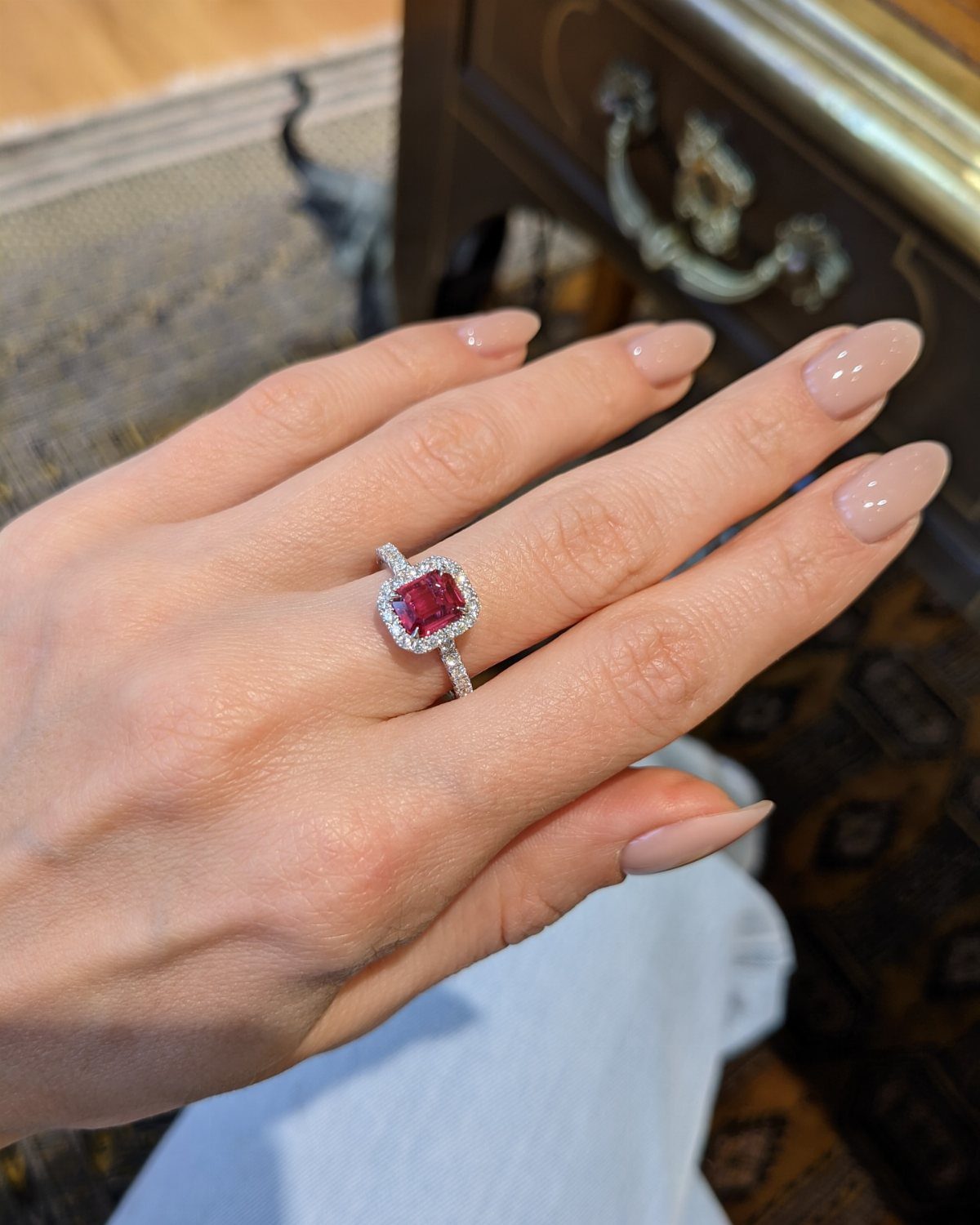
Red is the boldest color you can put on a finger, and a ruby carries love, passion, and vitality with it. A diamond halo around the center makes the red look larger and gives the ring a polished edge.
Rubies have always been rare and expensive, so plan to shop around instead of settling fast.
I’d choose a halo for a ruby over a bare setting: the white diamonds keep the red crisp against skin.
6. Watermelon Tourmaline
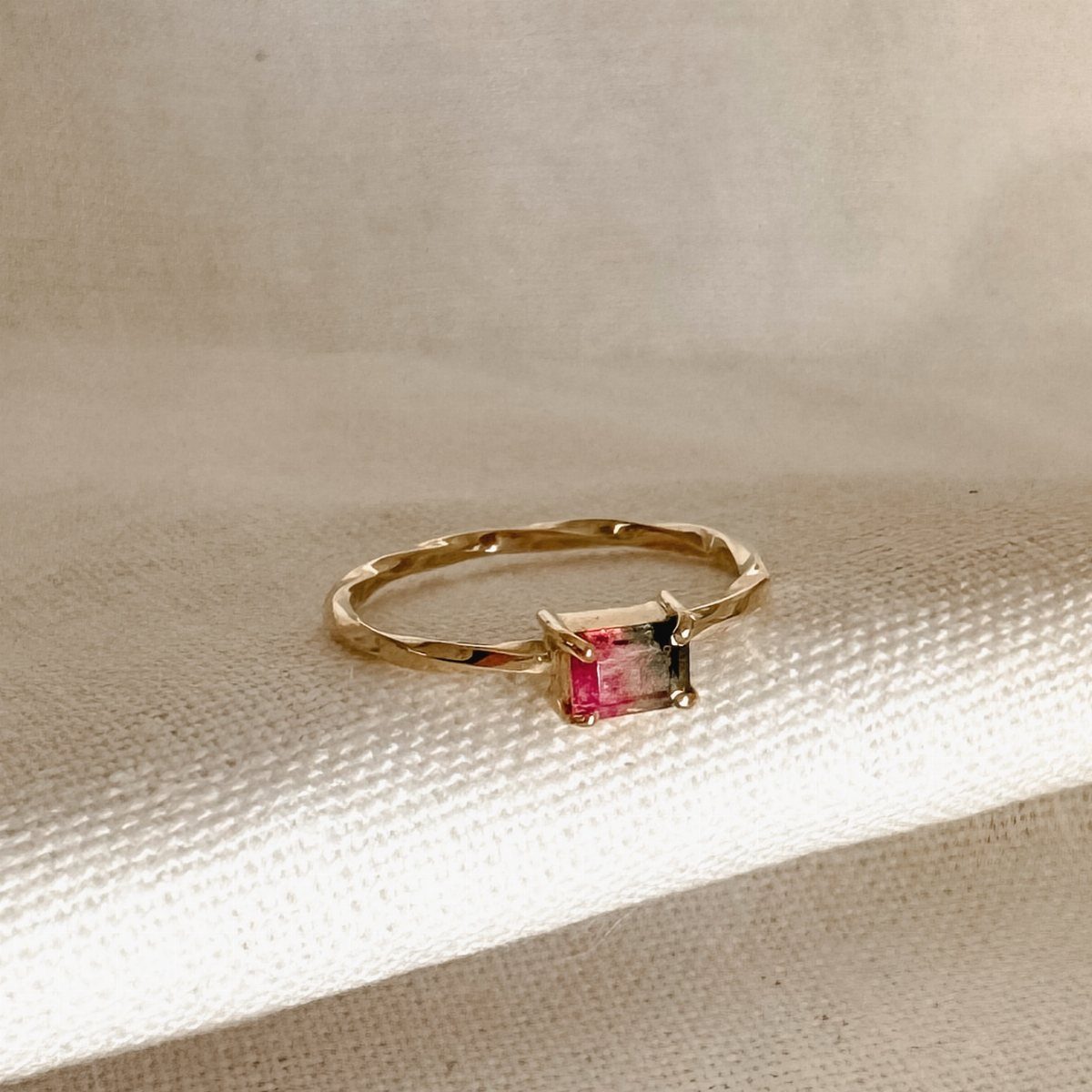
Pink on one end, green on the other: watermelon tourmaline is bicolor by nature, so the ring is a statement before anyone looks closely. A baguette cut, long and rectangular, shows the color split cleanly instead of hiding it.
I’d go with a plain gold band. The stone does enough, and extra diamonds would only fight the colors.
This is the pick for someone who wants zero resemblance to the standard engagement ring.
7. Citrine
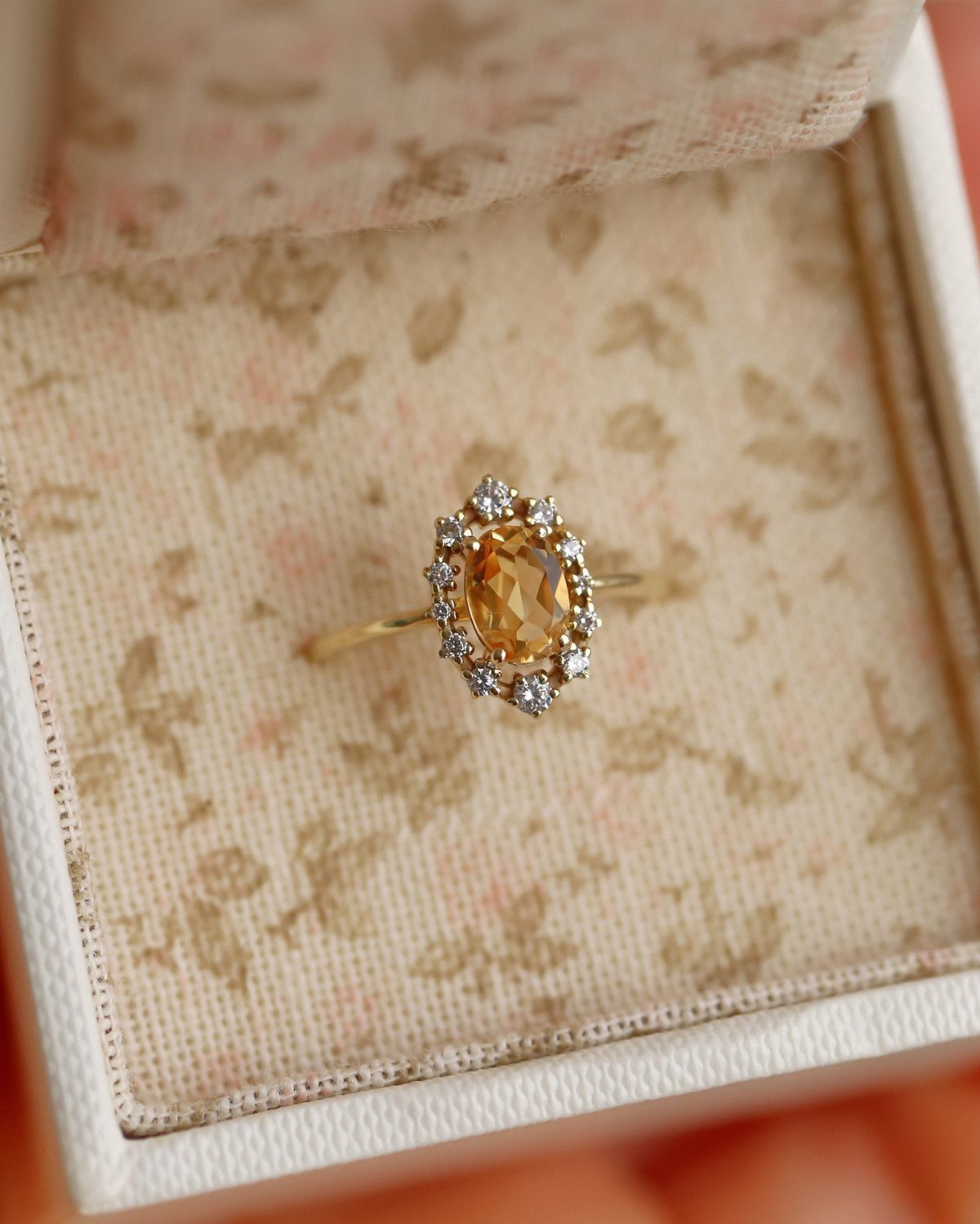
Yellow reads as warm and unfussy, and a citrine in a plain gold setting leans into that. The oval center with a ring of small diamonds keeps the design minimal while the stone does the talking.
Yellow gold deepens a citrine’s color, where white metal would make the stone look cooler.
Hold the ring next to your skin tone before deciding, since yellow can look different on every hand.
8. Vintage Colored Stone Rings
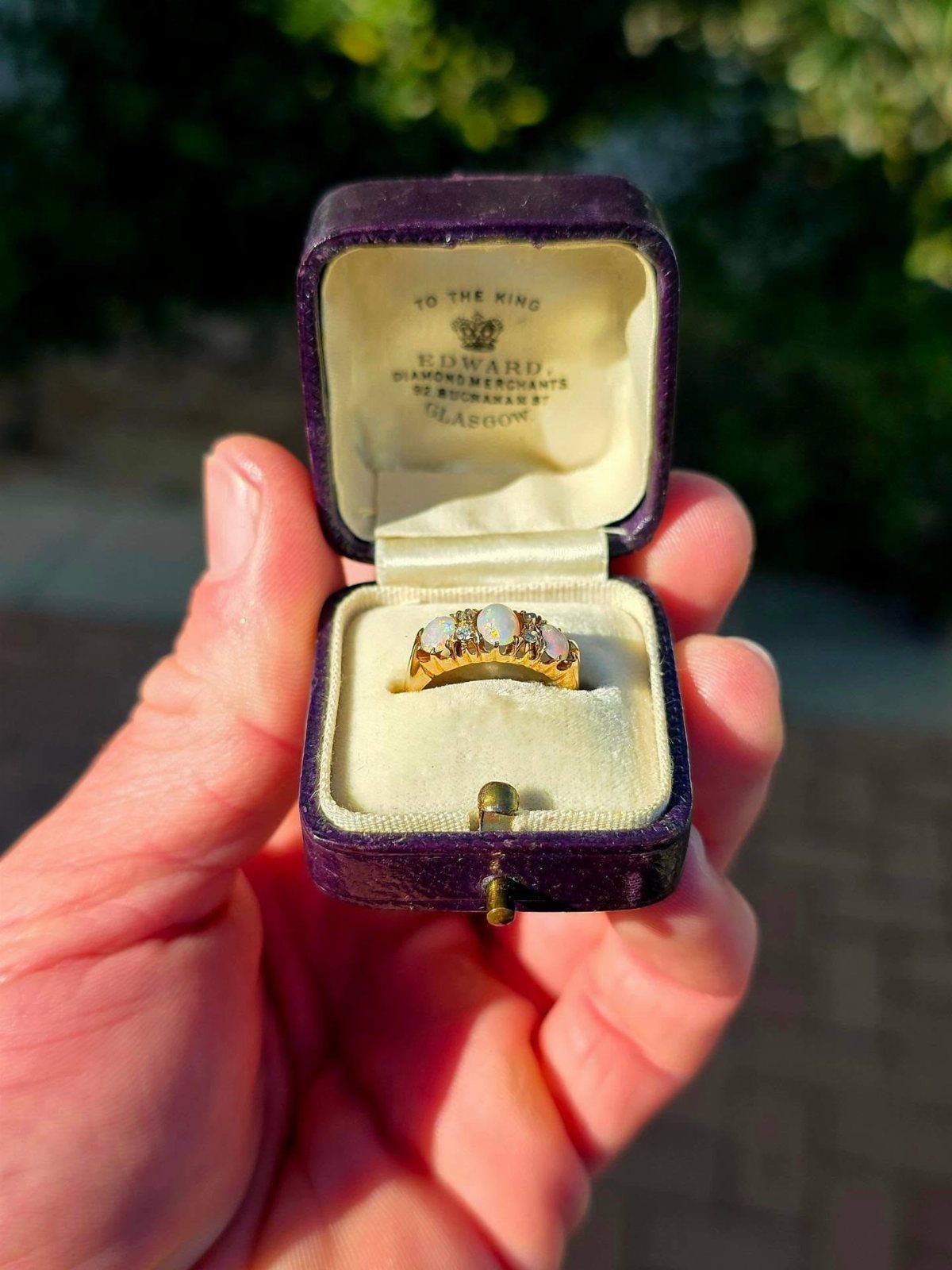
An antique ring comes with a history, and that is the whole appeal: no new design has quite the same character.
A gold band with a trio of stones is a classic vintage arrangement, and the old box it arrives in can be part of the story.
Budget-minded buyers should like this route, since a vintage piece can be a way to get a distinctive look without a custom price.
Ask the seller about any repairs, and have a jeweler check the prongs before you wear it daily.
9. Rings That Combine Various Gemstones
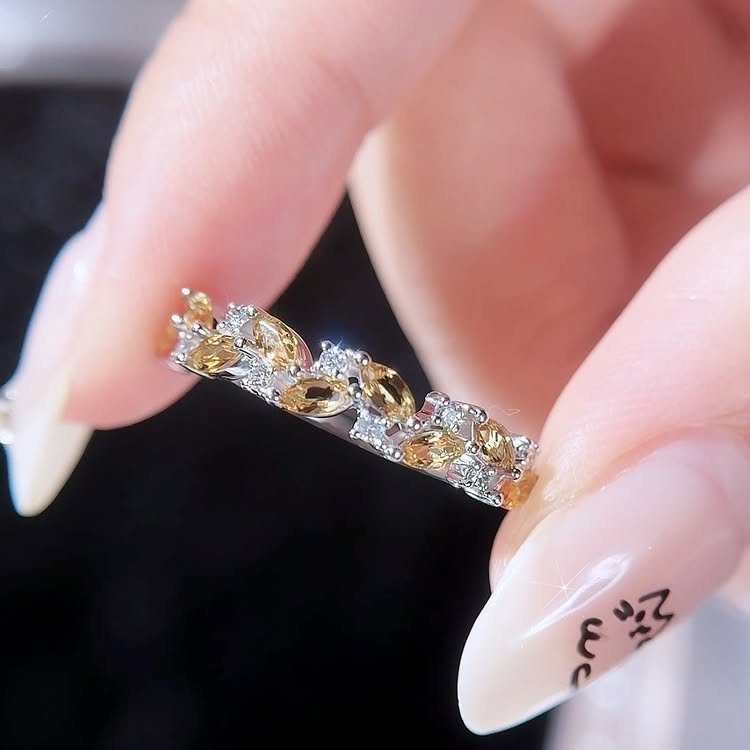
Mixing stones lets one ring carry two colors of sparkle. Alternating marquise and round cuts in different colors make a band that wraps all the way around instead of centering on one stone.
I like this for someone who finds one big stone too expected. The marquise shape stretches the yellow into points, so the color looks longer and livelier.
Check that the stones sit evenly and that the alternating pattern lines up cleanly all the way around.
10. Aquamarine Engagement Ring
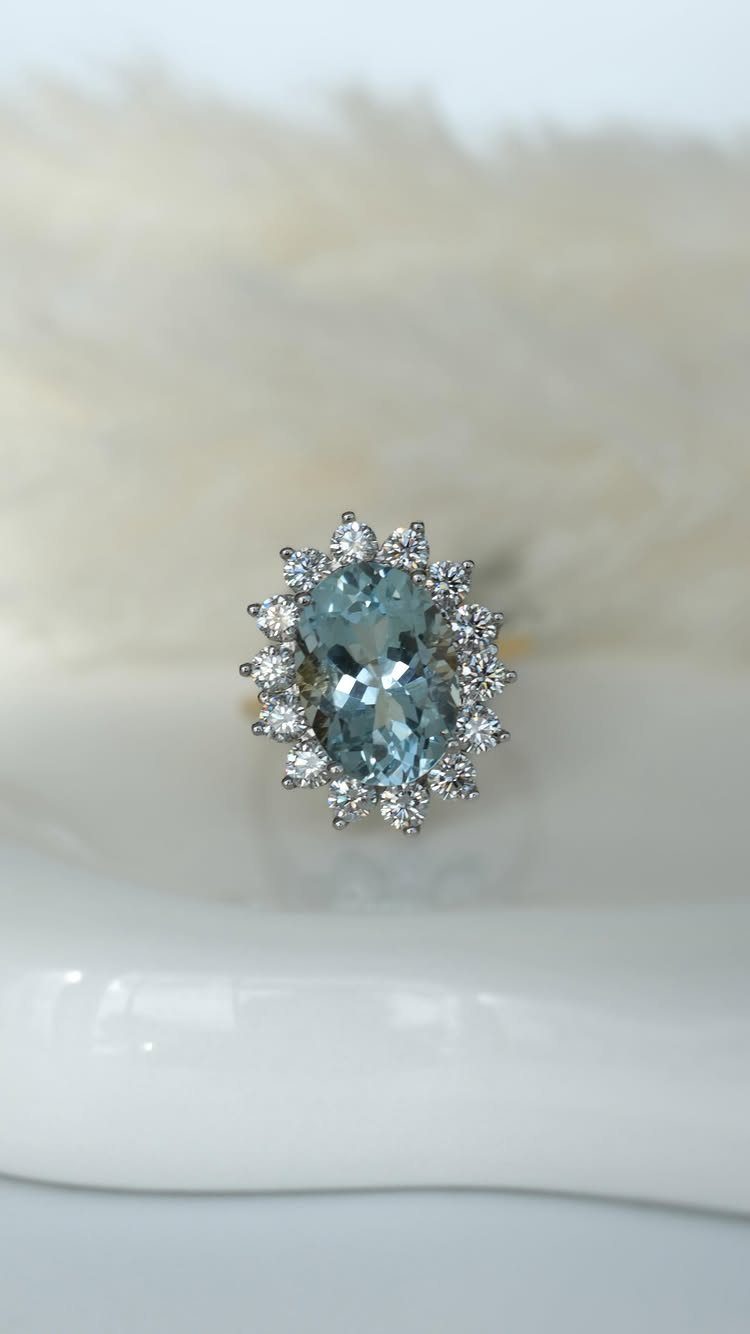
Aquamarine is the quiet blue: pale, clear and cool, with none of the weight of a deep sapphire. An oval center with a small-diamond halo gives it enough sparkle to stand out against the light color.
Silver-toned metal is my choice here. It keeps the blue icy and fresh instead of warming it up.
Light stones show scratches and dust, so view the ring up close and in daylight before you buy.
11. Teal Sapphire Engagement Ring
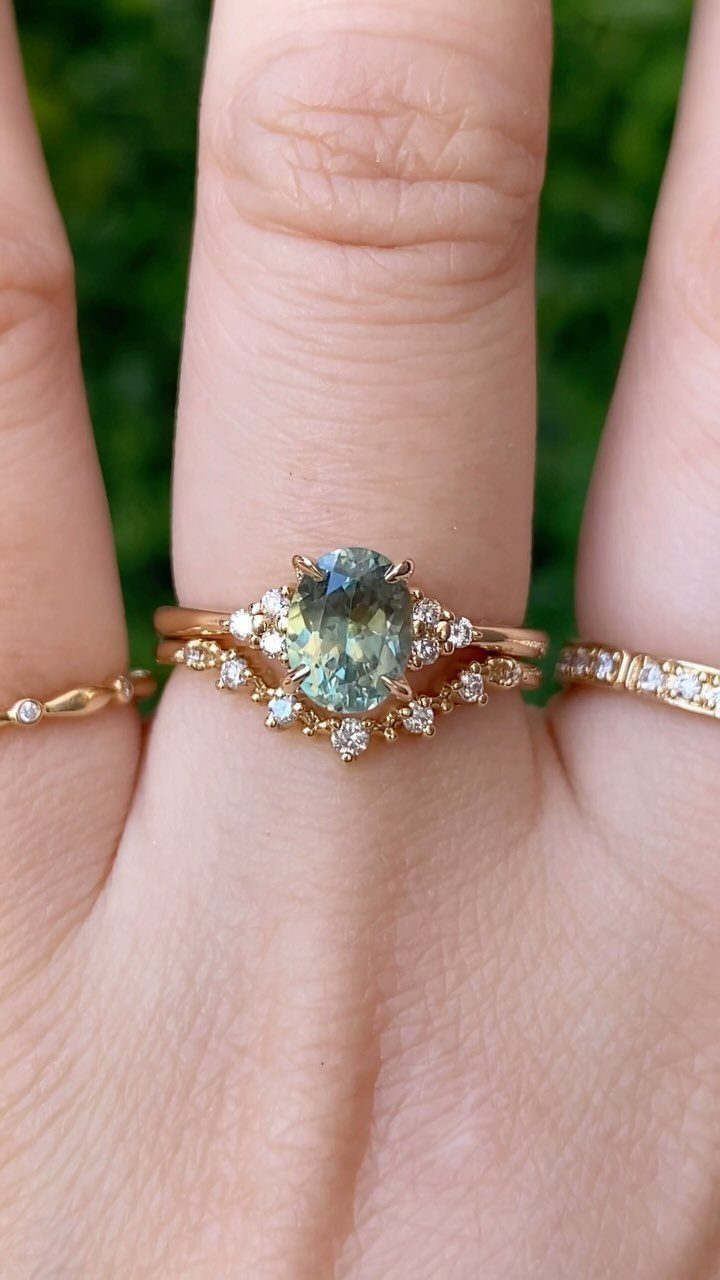
Teal sits between blue and green, so a teal sapphire suits anyone who cannot choose between the two. An oval stone in gold with diamond accents makes the greenish-blue look rich and warm.
I’d choose yellow gold over white for this stone. The warm metal makes the teal look more distinctive than cool metal would.
12. Amethyst Engagement Ring
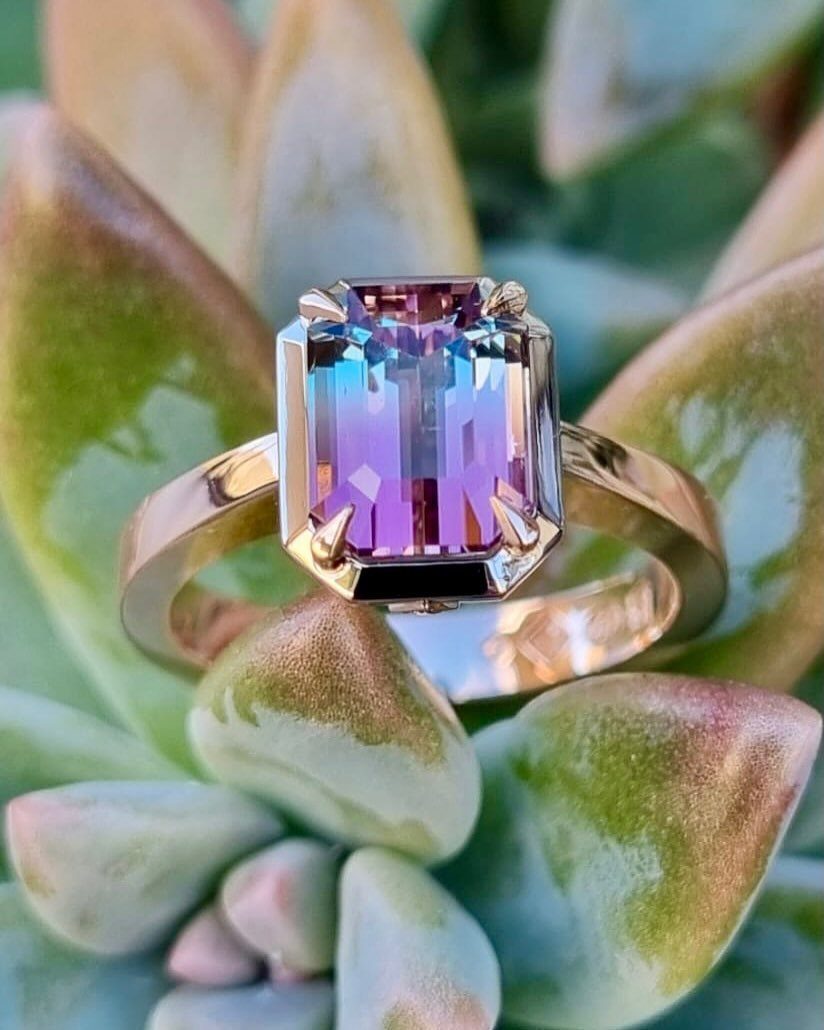
Purple is a color few people expect on an engagement ring, and an emerald-cut amethyst makes the most of it. The long, rectangular facets create a clean, glassy look that reads as modern rather than fussy.
Set in gold, the stone feels warmer and a bit more traditional. That pairing is the one I’d go for.
Amethyst is a budget-friendly way to get a large colored stone, so you can choose a bigger size than you might with rarer gems.
13. Peridot or Mint Garnet Ring
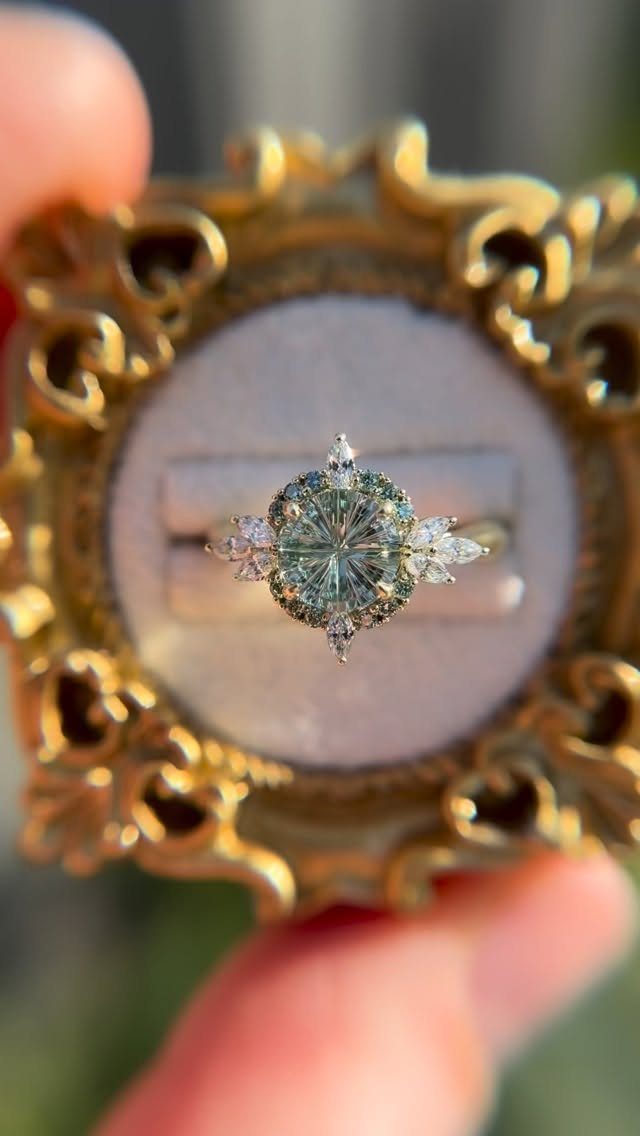
Peridot and mint garnet both run in soft, light greens, and a round stone in that shade reads fresh next to the deep greens of emerald. Diamond accents around the center add the sparkle a pale stone can lack.
Gold suits this color, and I’d choose it over white metal, which can make a light green look washed out.
Ask to see the stone beside a few others in the same shade, since pale greens vary from minty to almost yellow. Pick the one that still looks green in daylight.
14. Raw Gemstone Engagement Ring
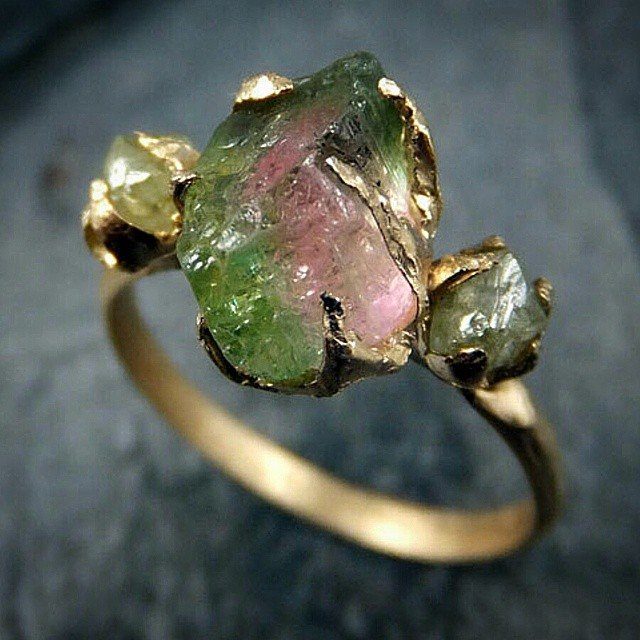
Uncut stones keep their natural shape, so each one in this ring has its own outline, and no two rings will match. Green and pink together, held in organic gold prongs, give a ring that looks grown rather than polished.
I’d pick this for someone who finds faceted stones too tidy. Raw stones glow softly instead of flashing like cut ones, so you give up that hard sparkle.
Because every stone is different, ask for photos of the exact ring you’d receive, not a sample.
Caring for Gemstones
Colored stones vary a lot in hardness and in how they react to heat, soap and knocks, so a cleaning method that suits one can harm another.
Before you wear the ring daily, ask a jeweler how to clean your specific stone and what to avoid.
Have the setting checked on a schedule the jeweler recommends, since loose prongs are easier to fix before a stone is lost.
Ask what the stone should never touch, such as harsh cleaners or an ultrasonic machine, and get the answer in writing if you can.
Until you have that advice, plain handling is safest: take the ring off for chores, and store it on its own so harder stones don’t scratch it.
Historical Significance of Gemstones
Colored stones are not a new idea. In the 14th and 15th centuries, emeralds, sapphires, rubies and other gemstones were the preferred engagement rings among wealthy families, largely because of what each stone was believed to mean.
That history is useful when you shop. If you want a stone for its meaning, you are following a very old habit, and you can pick by the symbolism you like rather than by what is expected.
Different stones marked rank and membership across societies, and specific colors belonged to specific classes. That is a good reason to ask about a vintage ring’s origins, and to ask for a certificate of authenticity if the seller offers one.
Frequently Asked Questions
Can I use a colored gemstone in an engagement ring?
Yes. Wealthy families were choosing colored stones for engagement rings back in the 1300s and 1400s, long before diamonds became the default.
Choose the stone for its color and what it means to you, then have a jeweler walk you through how to clean it and what daily wear will do to it.
What are the most popular colored gemstones?
Sapphires, rubies, emeralds and aquamarine are the usual choices.
Blue sapphire has the most traditional reputation, tied to loyalty, wisdom and commitment, while ruby stands for love and passion. Amethyst and peridot are common too, and they cost less than the rarer stones.
How much do gemstone engagement rings cost?
A gemstone ring can cost anywhere from a few hundred dollars to well over $10,000, depending on which stone you pick and how large and high-quality it is.
Rubies and emeralds cost more than most other colored stones because both have been rare and expensive for centuries.
Amethyst and birthstone-type stones like peridot and garnet cost less, so they let you buy a larger stone on a modest budget.





