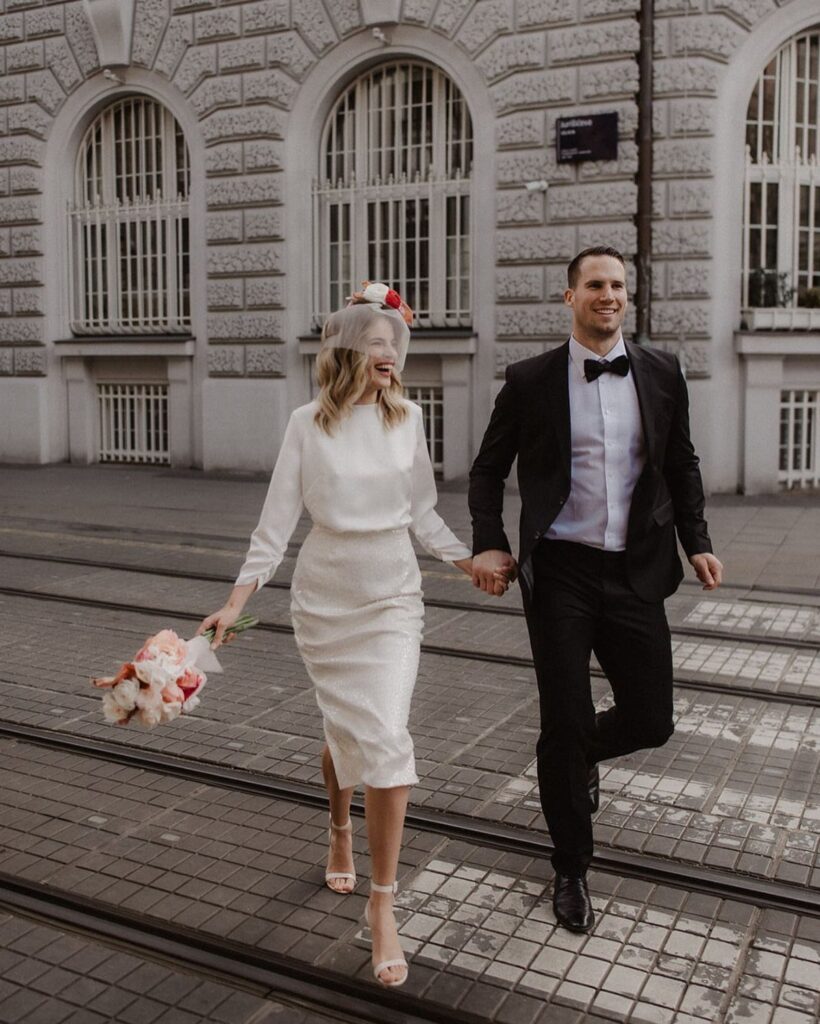
Body type decides which of these 11 styles is yours: on a petite frame, a sheath or strapless column lengthens you, while an A-line or fit-and-flare can balance you.
The styles run from a tea-length gown with heels to a bridal jumpsuit, and the dress code you set matters more than the guest list, since a microwedding of around 50 or fewer guests can still be formal.
Pick the code first, then the cut.
1. Sheath Dresses
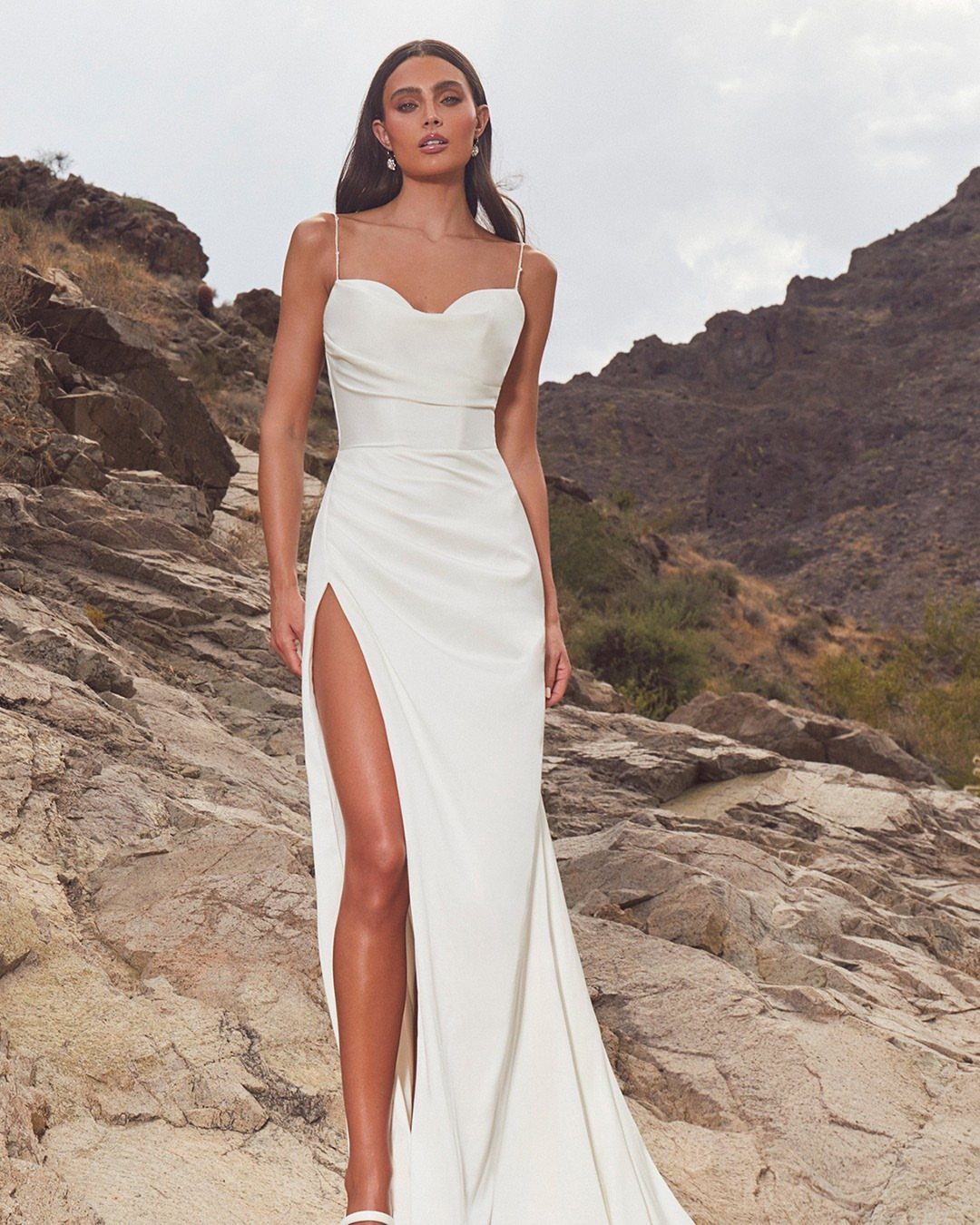
A sheath skims the body from bodice to hem without a seam breaking the line, which is why it reads as longer on a petite frame. Keep the fabric close but not tight, so you can still walk and sit.
A high slit like this one adds movement and a little leg.
Have the tailor check how far it opens when you take a full step, because a slit that gapes in photos is a fitting problem, not a style choice.
Pair it with a simple veil or none at all.
2. Bridal Jumpsuits
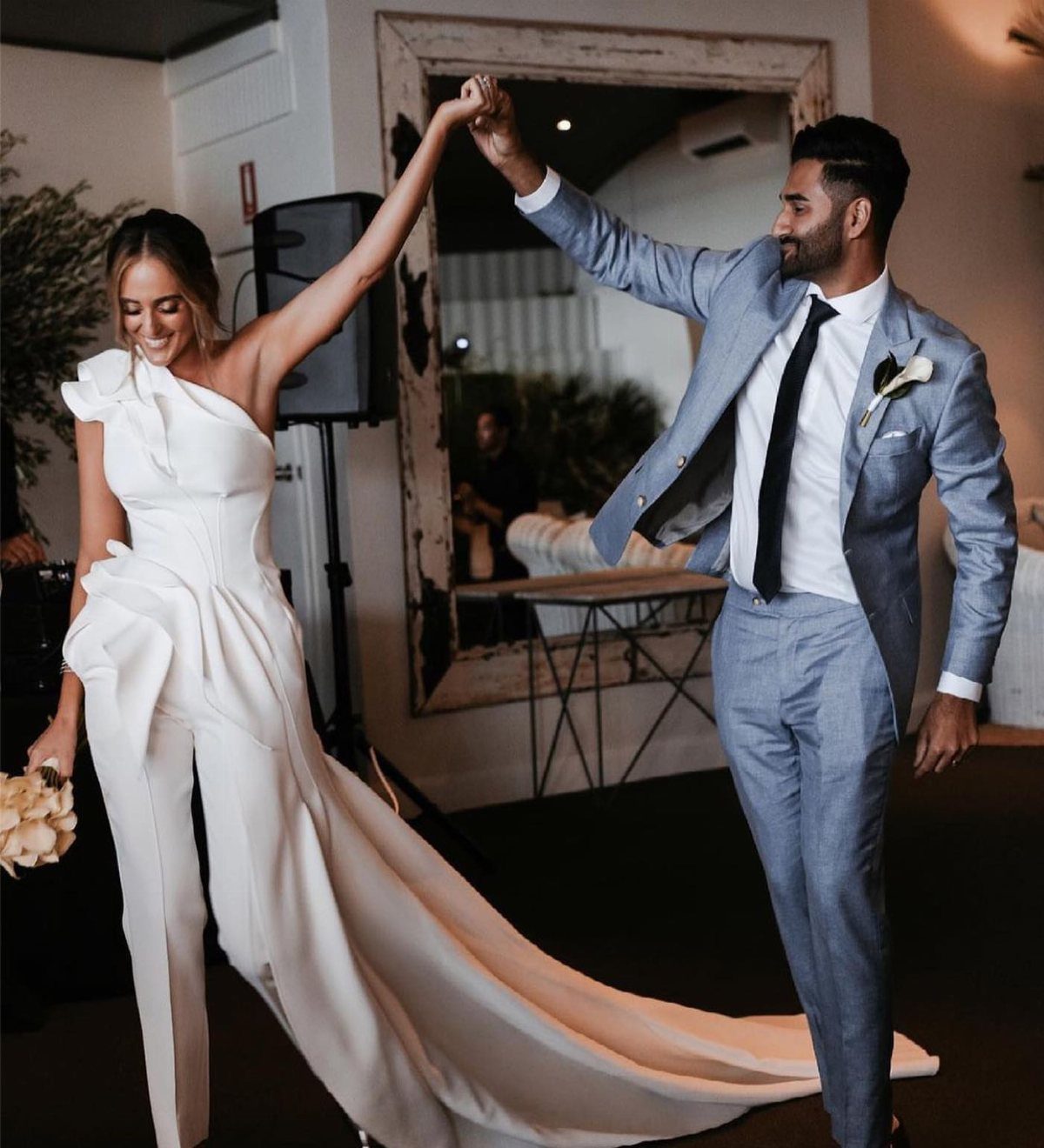
Anyone who wants pockets of freedom on the dance floor should look hard at a bridal jumpsuit. A one-shoulder cut with a train, like this one, keeps the formality of a gown while you move like yourself.
Hemming matters most on a petite frame. Get the wide legs fitted with the shoes you will wear, since the fabric should skim the floor without bunching.
I would choose this over a short dress for a small, relaxed ceremony.
3. Lace Wedding Dress
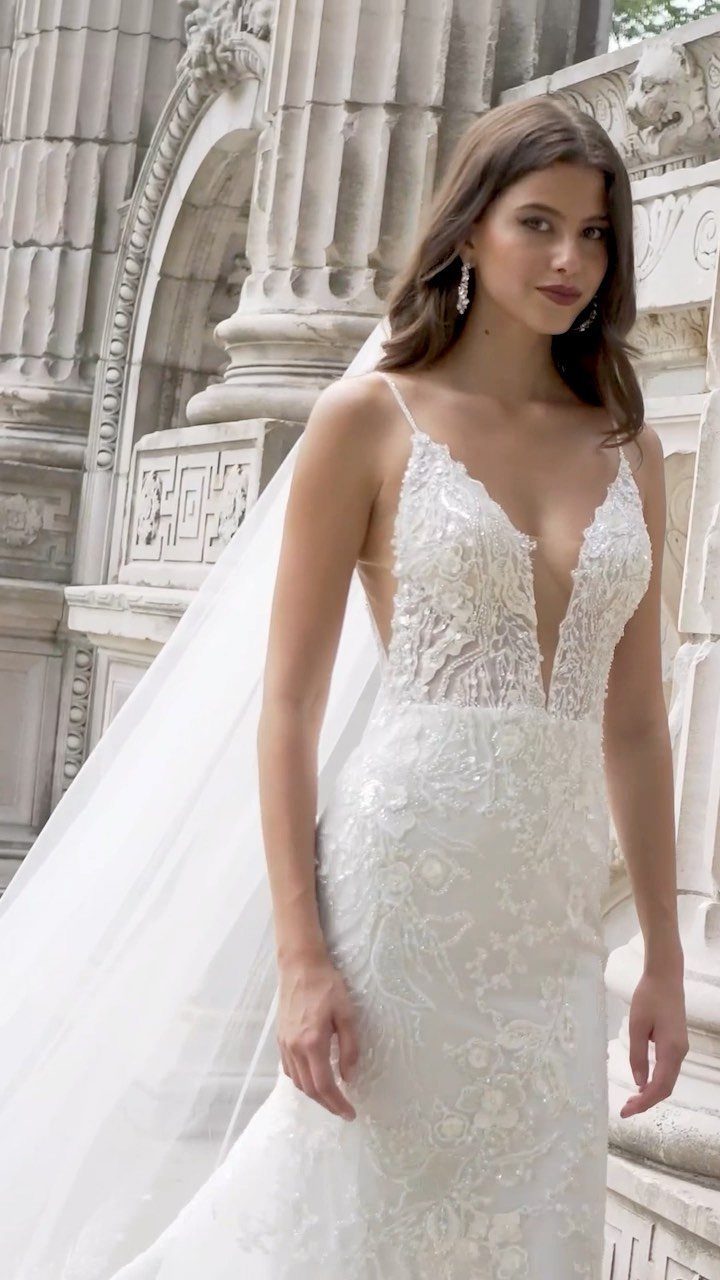
Lace gives a plain silhouette texture, and a deep V keeps the pattern from swamping a smaller frame. Over a sheath cut, the lace follows your shape instead of adding bulk.
Ask to see the lace in daylight before you buy. Small, even motifs tend to look more proportionate on petite brides than oversized florals.
A veil in plain tulle lets the lace stay the focus. Budget for alterations, since lace edges need careful hemming.
4. Satin Romance
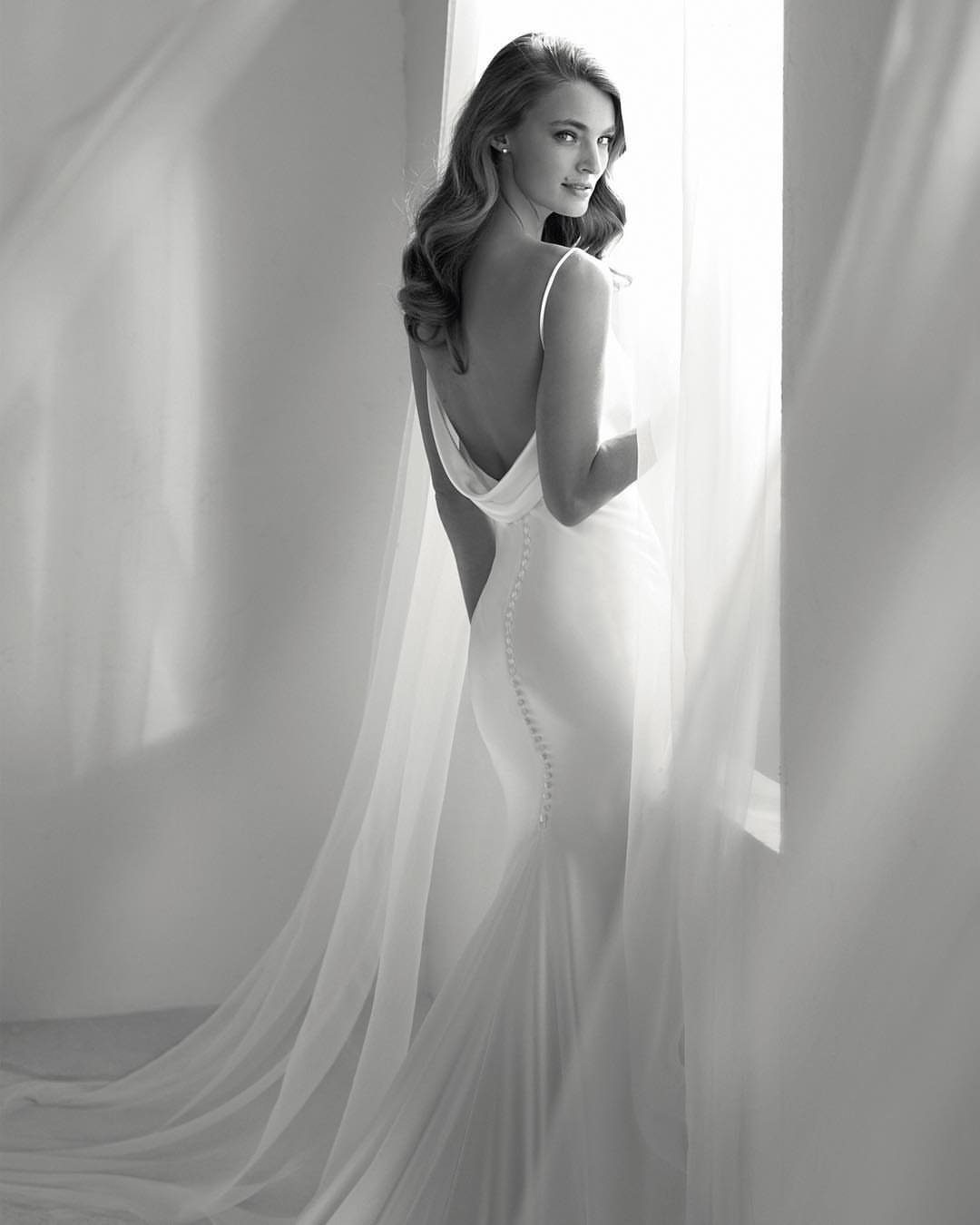
Satin shows every line, so fit decides everything. A low back with a row of buttons gives you detail without any beading or layers, and a simple veil finishes it.
I like satin for a small wedding because the shine does the work that decoration would do elsewhere. Have a steamer on hand; satin creases easily and the creases show.
Choose a heavier satin if you want it to hang cleanly rather than cling.
5. Strapless Column Gown
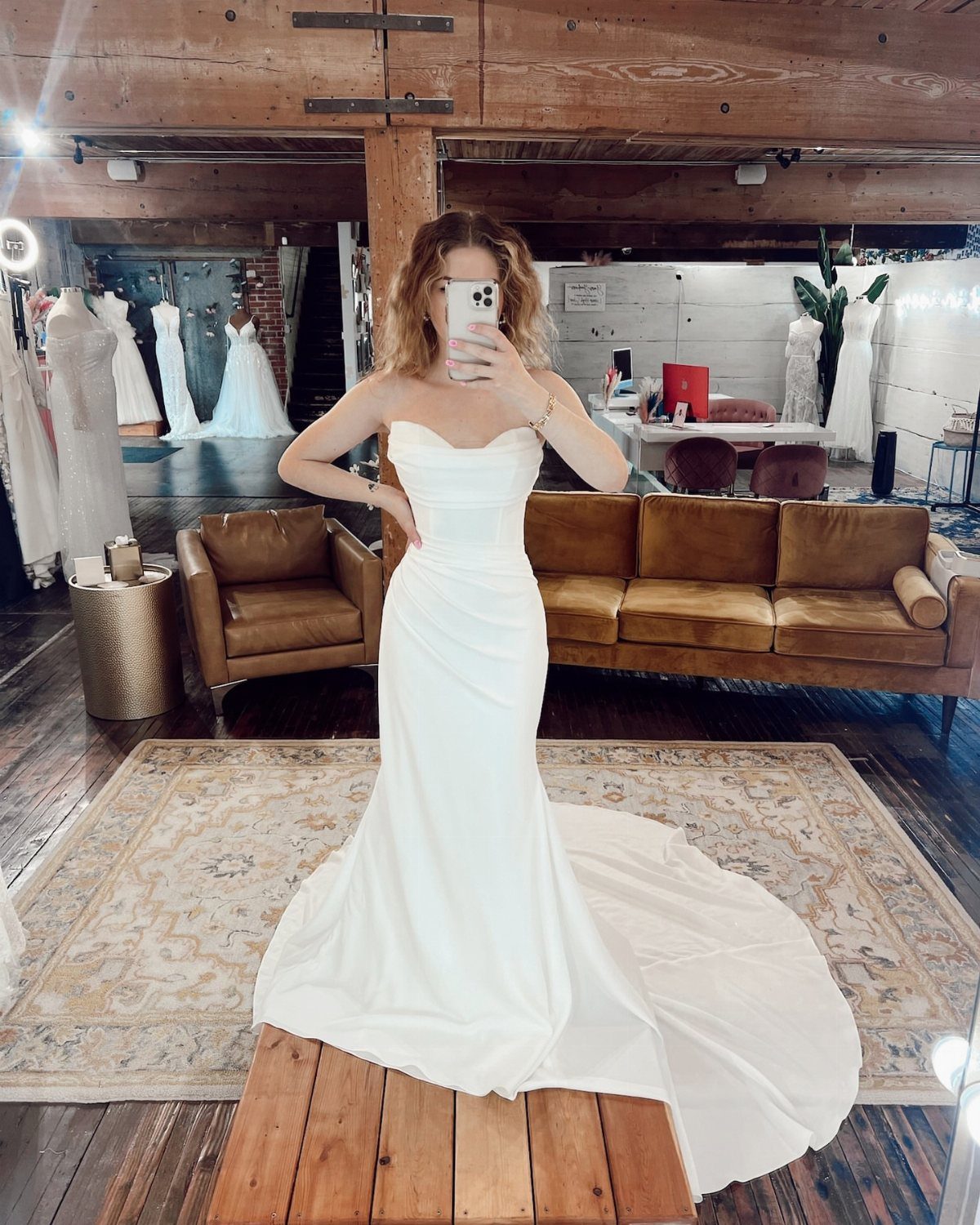
Strapless columns are the dress I would suggest to a bride who dislikes second-guessing. One unbroken vertical line, no sleeves and no skirt volume means nothing competes with your height.
Try it on with the shoes and undergarments you plan to wear. The bodice should grip without digging, so you are not tugging it up all evening.
Add a veil or jewelry only if you want something extra; the gown stands on its own.
6. A-line Wedding Dresses
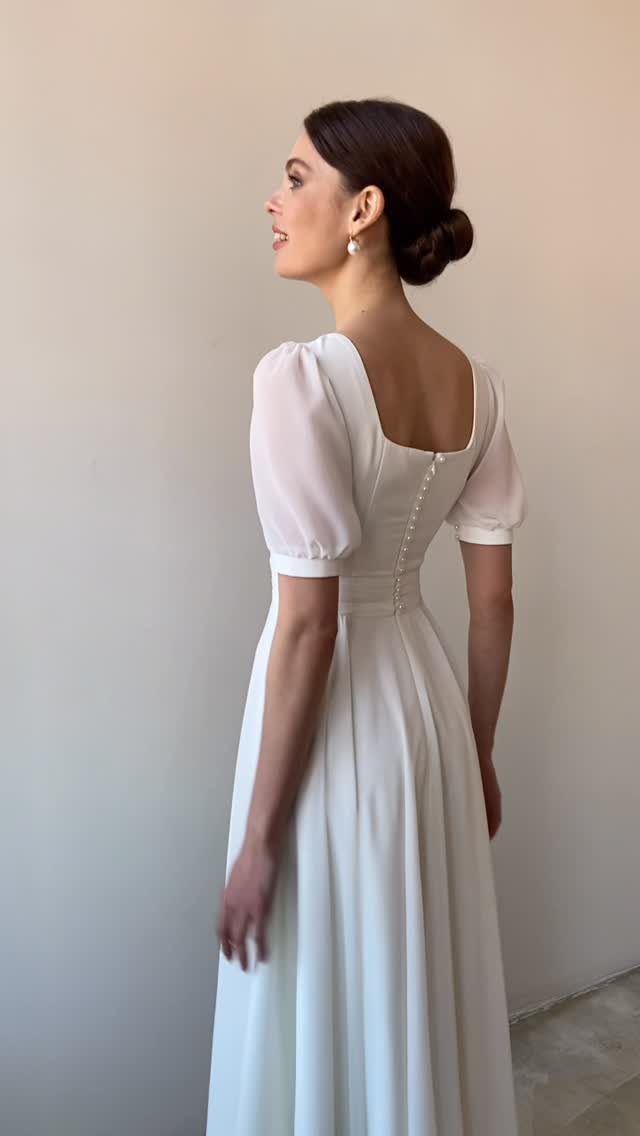
A fitted bodice that opens into a gentle skirt gives you a waist and a clean line to the floor, which is why A-lines flatter petite brides. Keep the skirt soft rather than full, or it can swallow you.
Short puff sleeves, as in this one, add shape at the shoulder without much fabric. A button back is easy to alter if your measurements shift before the day.
Check where the waist sits; it should land at your natural waist, not below it.
7. Fit-and-flare Gowns
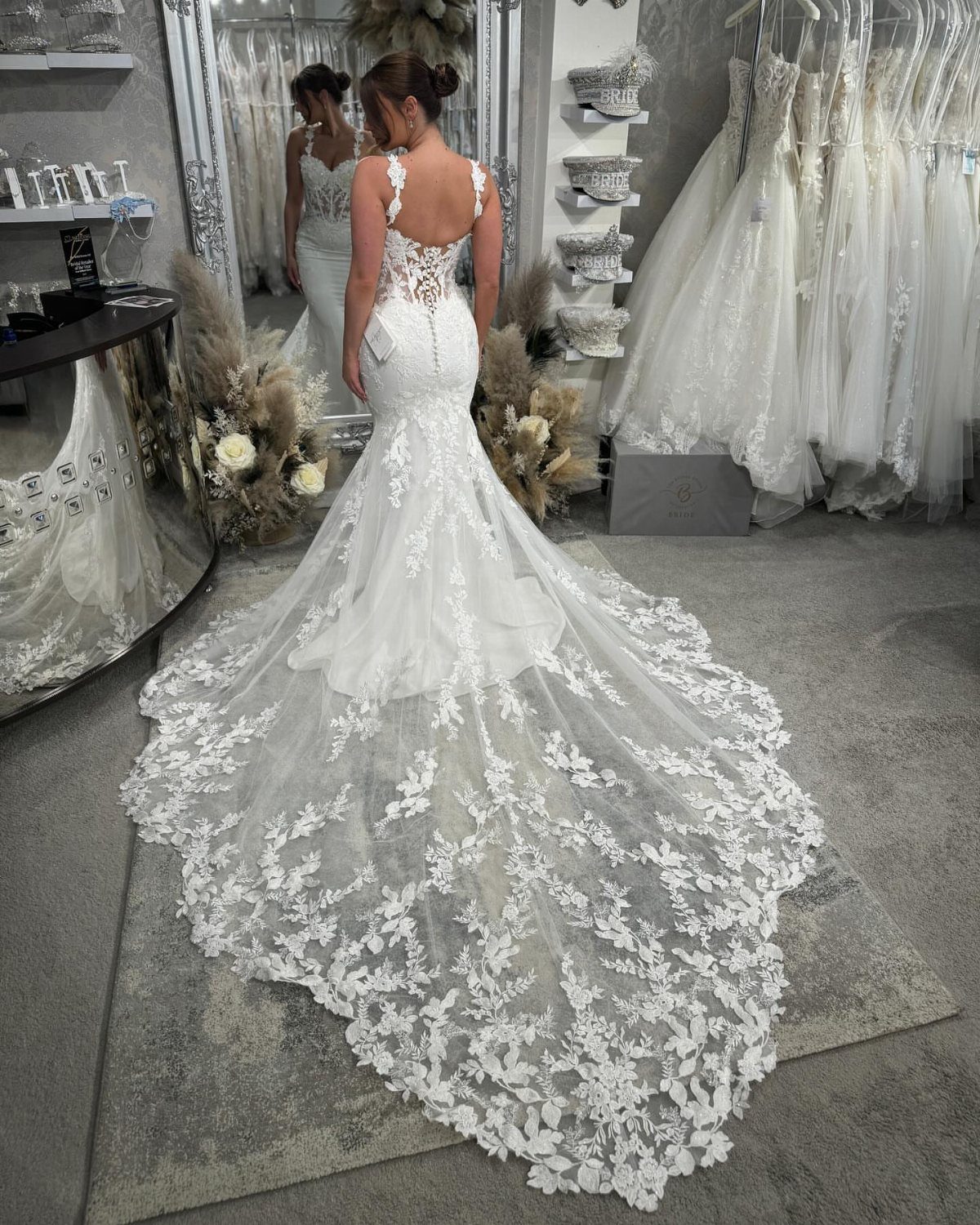
Fit-and-flare keeps the bodice and hips close, then opens into a skirt near the hip or thigh. That shape shows your curves, and it lengthens the torso, which helps a petite frame read taller.
Lace with a floral train, as in this one, gives you detail at the hem without bulk at the waist.
Have the tailor mark where the flare starts, since a few inches higher or lower changes how long your legs look.
Pick this if you want a figure-hugging gown that still has some drama in the skirt.
8. Short Wedding Dresses
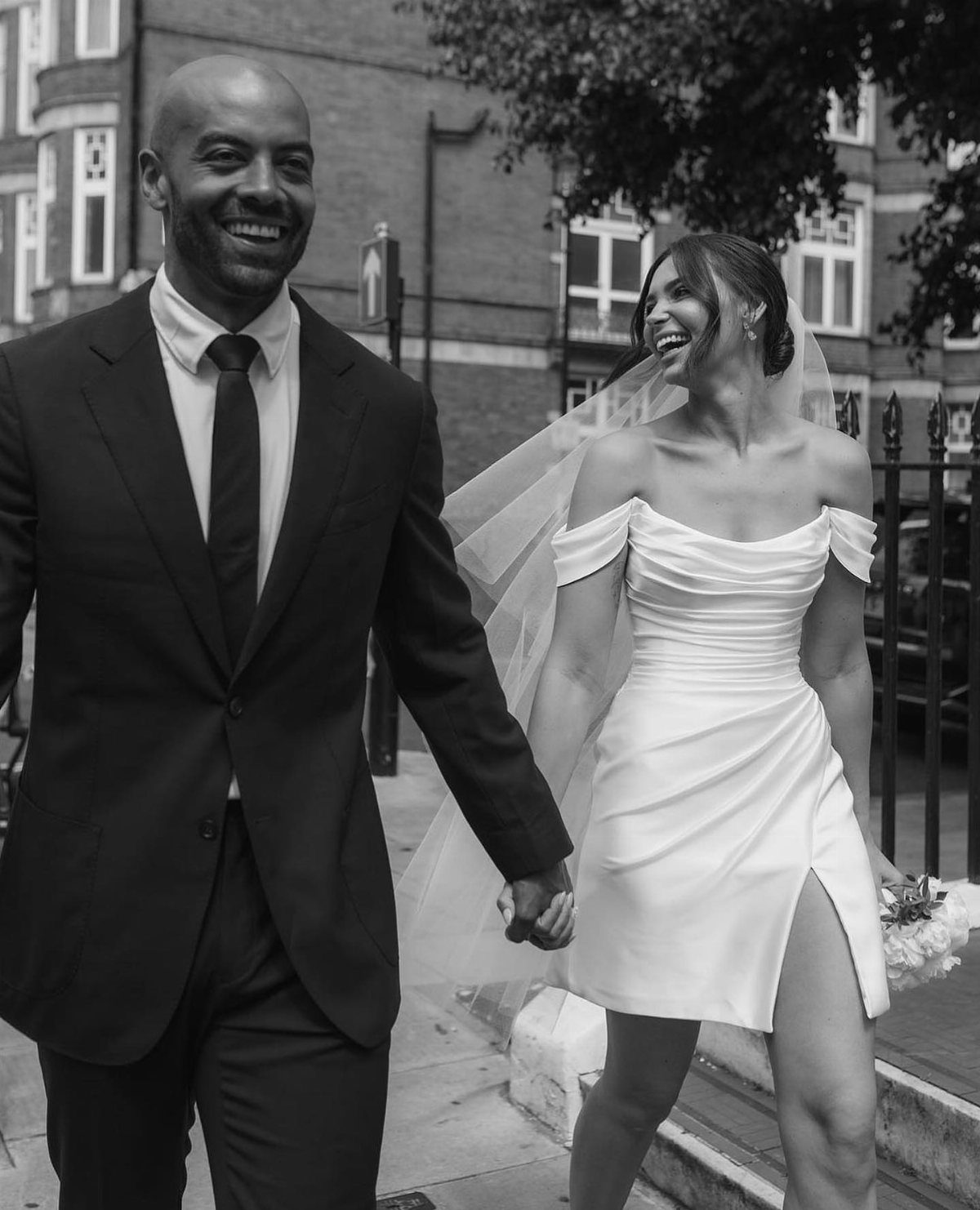
A short dress suits a casual or intimate ceremony, and you can walk a city block or climb steps without gathering fabric in your hands. An off-the-shoulder neckline with a veil keeps it clearly bridal.
Choose the hem length with your shoes on, and stand straight in front of a mirror before you commit. Hem placement decides whether the dress looks deliberate or simply cut off.
For a small, relaxed wedding, I would happily pick this over a long gown.
9. Simple Wedding Gowns
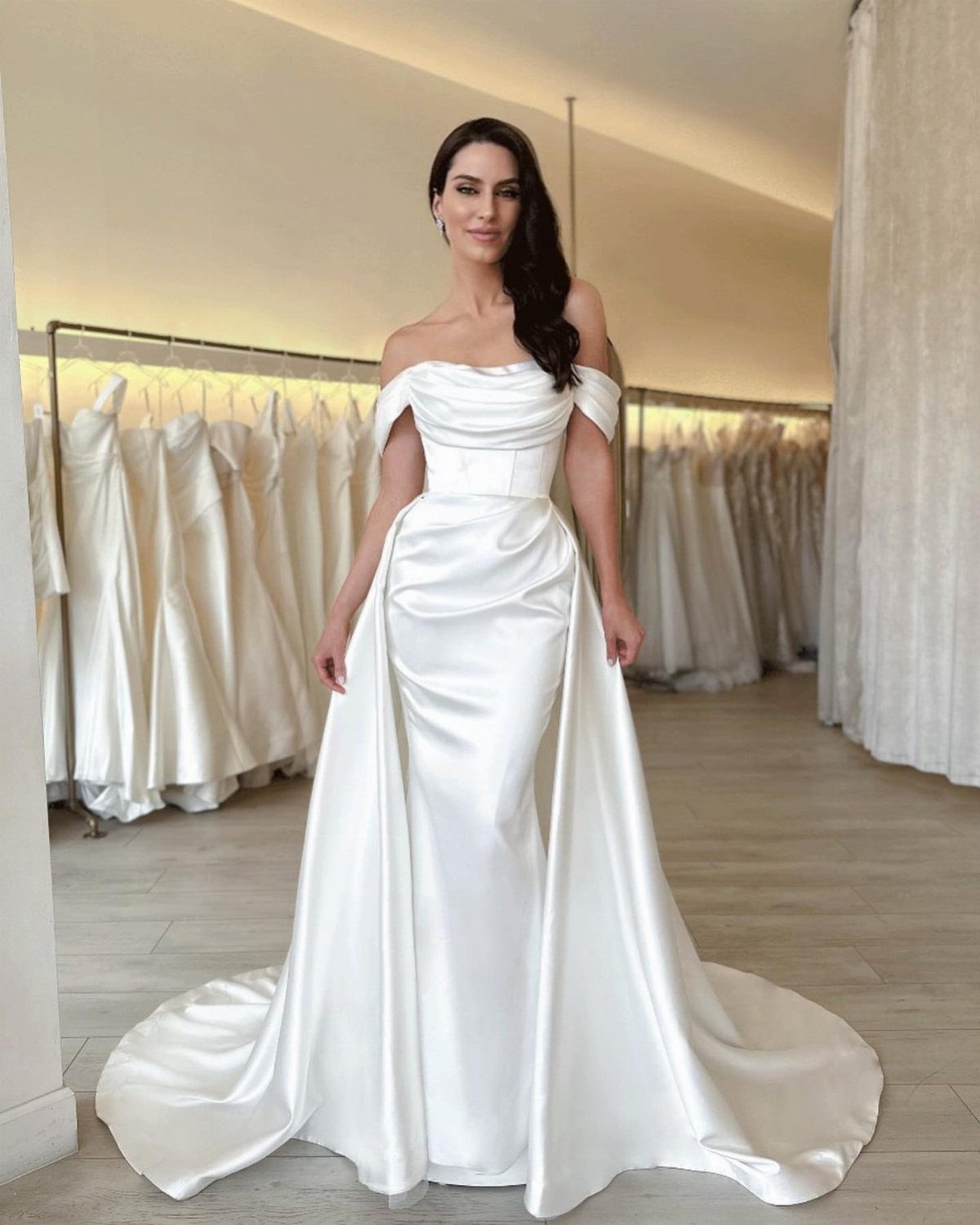
Simple is a decision, and the fabric has to carry it. A satin gown with an off-the-shoulder neckline and a modest train, like this one, looks timeless and elegant in an intimate setting without any beading.
Spend the money on fit. With so little decoration, a gown that skims correctly beats an expensive one that doesn’t, so budget for alterations.
Wear small earrings and let the neckline be the feature.
10. Tea-length Gowns
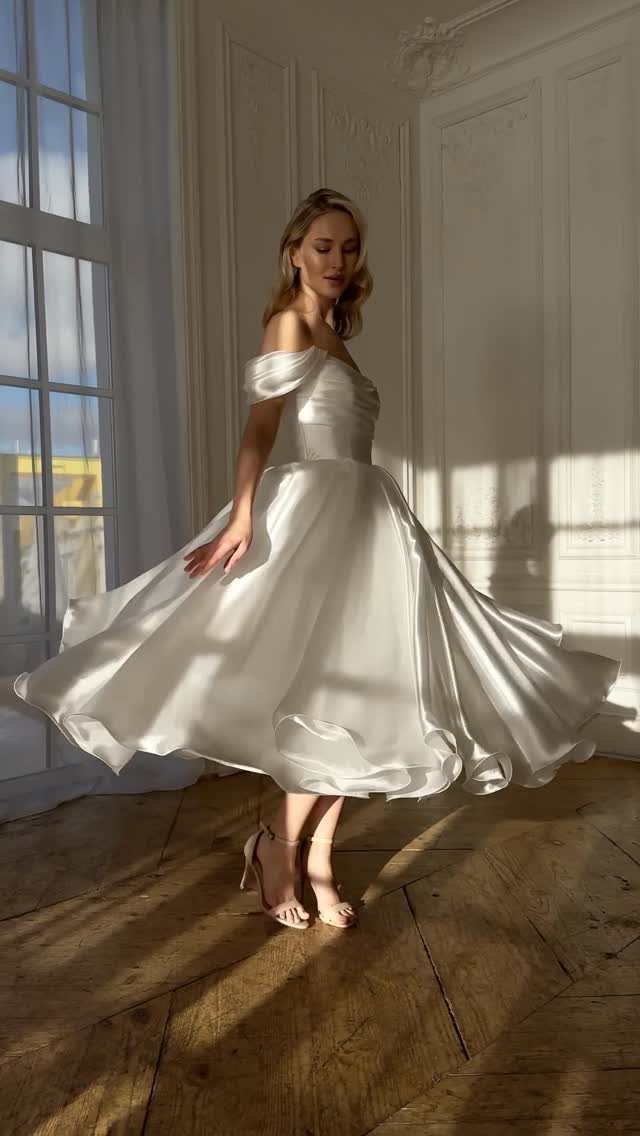
Tea-length puts the hem at mid-calf, which makes a gown feel chic and playful at a small wedding. Satin in an off-the-shoulder cut, worn with heels, shows off your ankles and keeps the look polished.
Try it on in the heels you will wear, because a few inches of heel changes where the hem lands. Hem it last, once everything else fits.
I like this length for brides who want a real gown without a long skirt to manage.
11. V-neck Wedding Dress
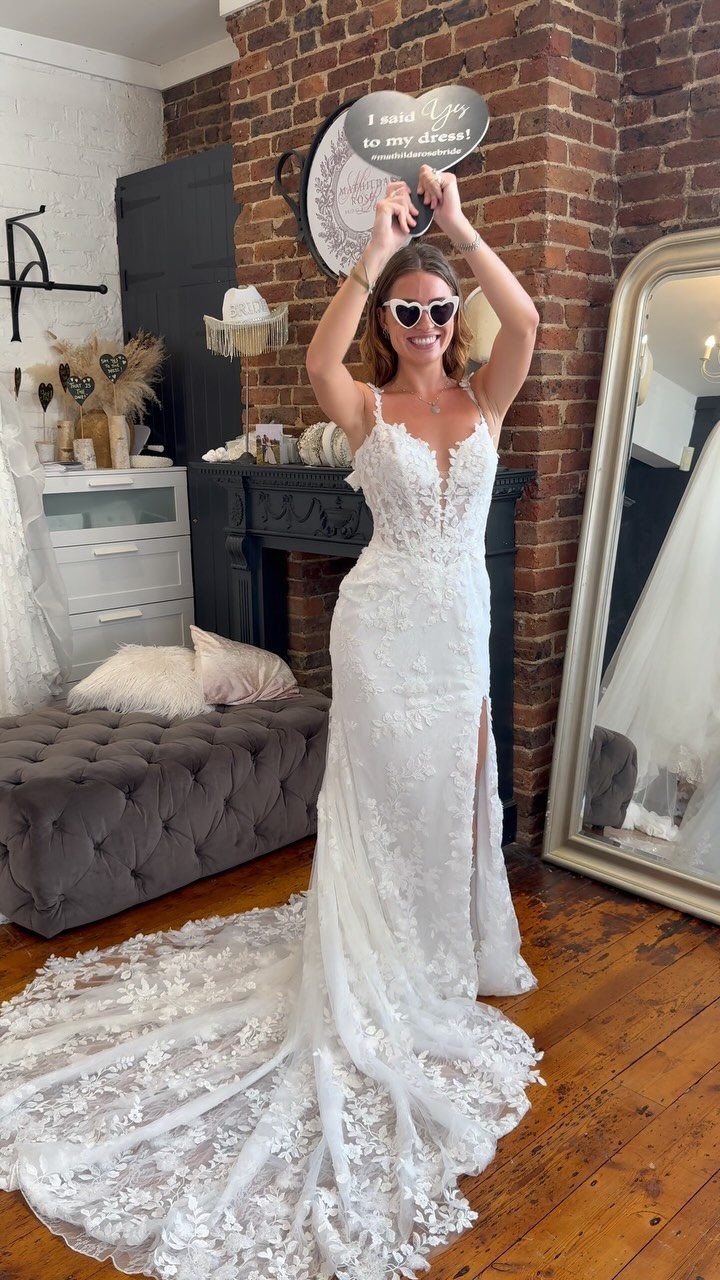
A V-neck opens the chest and draws the eye down the body in a line, which is why V-necks and sweetheart styles both elongate the figure. In lace, the neckline gives a petite frame a clear, simple focus.
Compare how deep the V goes against how you move. Lift your arms and sit down in the fitting, since a plunge that looks fine standing can gape when you reach.
If you can’t decide between necklines, try this one first.
Choosing the Right Fabrics
Fabric sets the mood before the cut does.
Chiffon and crepe both fall in a clean line and let you move without fighting the fabric. On a beach or outdoors, that lightness matters more than it does inside a climate-controlled ballroom.
Mikado is the structured option. Satin catches light and holds structure on its own, no layers needed, which reads formal without reading fussy.
Choose by how you want to move and how formal the day feels. Soft and flowing goes to chiffon or crepe; crisp and sculpted goes to Mikado.
Lace that runs vertically pulls the eye up instead of across. Patterns that go side to side, or tiers stacked one on top of another, will break up your height.
Styling for Petite Brides
Clean, continuous lines do the most for a petite frame. Sleek fabrics and graceful shapes lengthen the figure without overpowering it, so let the dress be simple and let yourself be the focus.
Be careful with large ball gowns. A big tulle skirt can swallow a shorter bride and make her look smaller than she is.
Drop-waist styles deserve the same caution, along with anything with heavy horizontal detailing.
If you love a dramatic gown anyway, try it on beside a simpler one and compare photos of both. The camera is honest about proportion, and a quick side-by-side settles the question.
Wedding Dress Codes
A short guest list says nothing about formality; you can still dress like you mean it. Intimate weddings can be formal, semiformal, or casual, and your dress should follow the dress code you set, not the headcount.
A microwedding, with around 50 or fewer guests, is simply a smaller celebration for family and close friends. It is a size, not a style.
Decide the dress code first, then shop within it. Tell guests what you chose on the invitation, so your gown and their outfits match the occasion.
Frequently Asked Questions
What is the best wedding dress for a petite bride?
A-line, sheath and fit-and-flare gowns work best.
Each gives you one clean, unbroken line to the floor, so nothing cuts your height. Keep an A-line skirt soft rather than full, and skip big tulle ball gowns, which can swallow a shorter frame.
What to wear to a very small wedding?
A short dress, a tea-length gown or a bridal jumpsuit all suit an intimate ceremony. A short hem lets you climb steps without gathering fabric, and a jumpsuit with wide legs lets you move freely while staying formal.
A small guest list doesn’t set the formality, though, so choose the dress code first and dress to match it.





