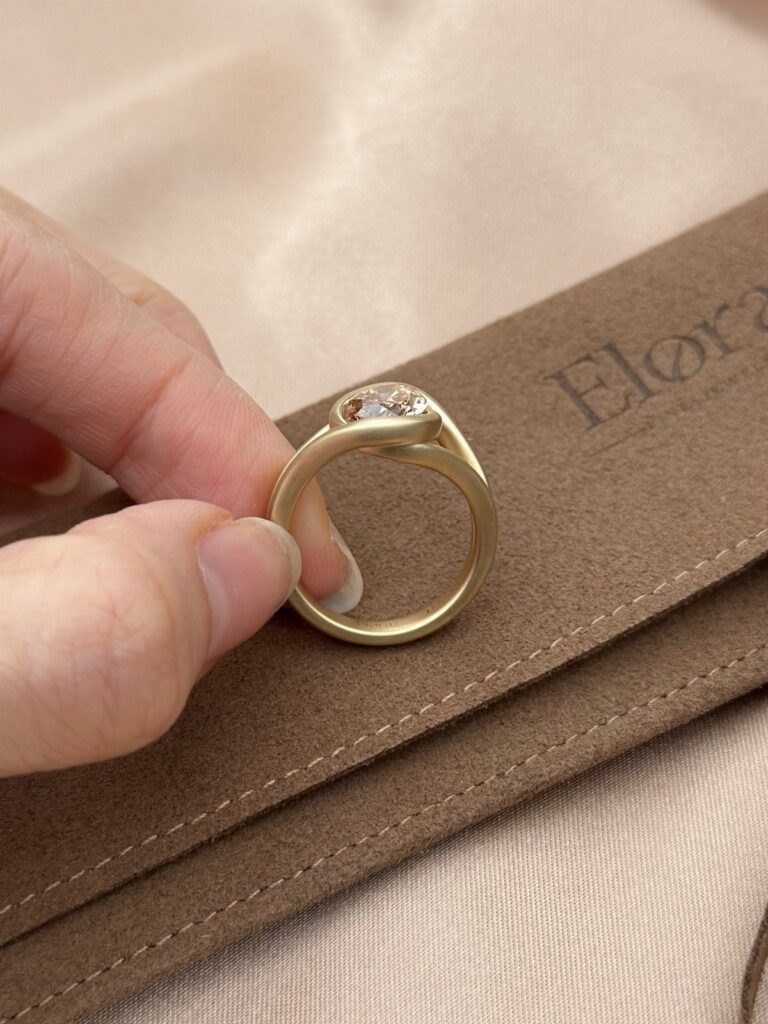
Most of these rings change the look by changing one thing: the stone (sapphire, emerald, ruby, morganite, alexandrite, opal, salt and pepper or black diamond), the cut (rose cut, east-west), the setting (vintage, nature-inspired), or the metal (rose gold).
Your budget decides which route to take.
On a moderate budget, I would put the money into a colored stone or a rose cut and keep the band plain, or choose a vintage setting that gives you detail without custom metalwork.
1. Unique Stones
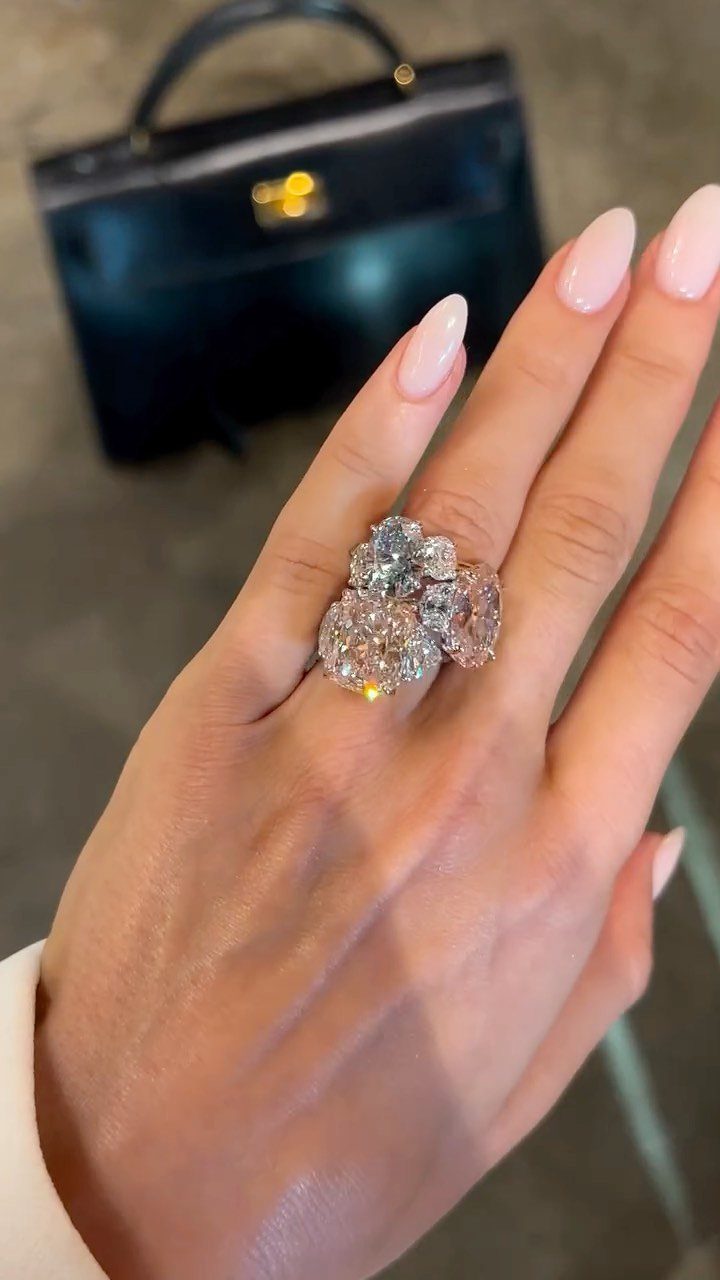
A three-stone setting reads as past, present and future: one stone for where you began, one for now, one for what’s ahead.
That story is the reason I like it over a single solitaire for someone who wants a ring with meaning.
Choose stones that match closely in color and clarity, since three side by side make any mismatch obvious. Ask your jeweler to line them up under the same light before you commit.
2. Sapphire Engagement Ring
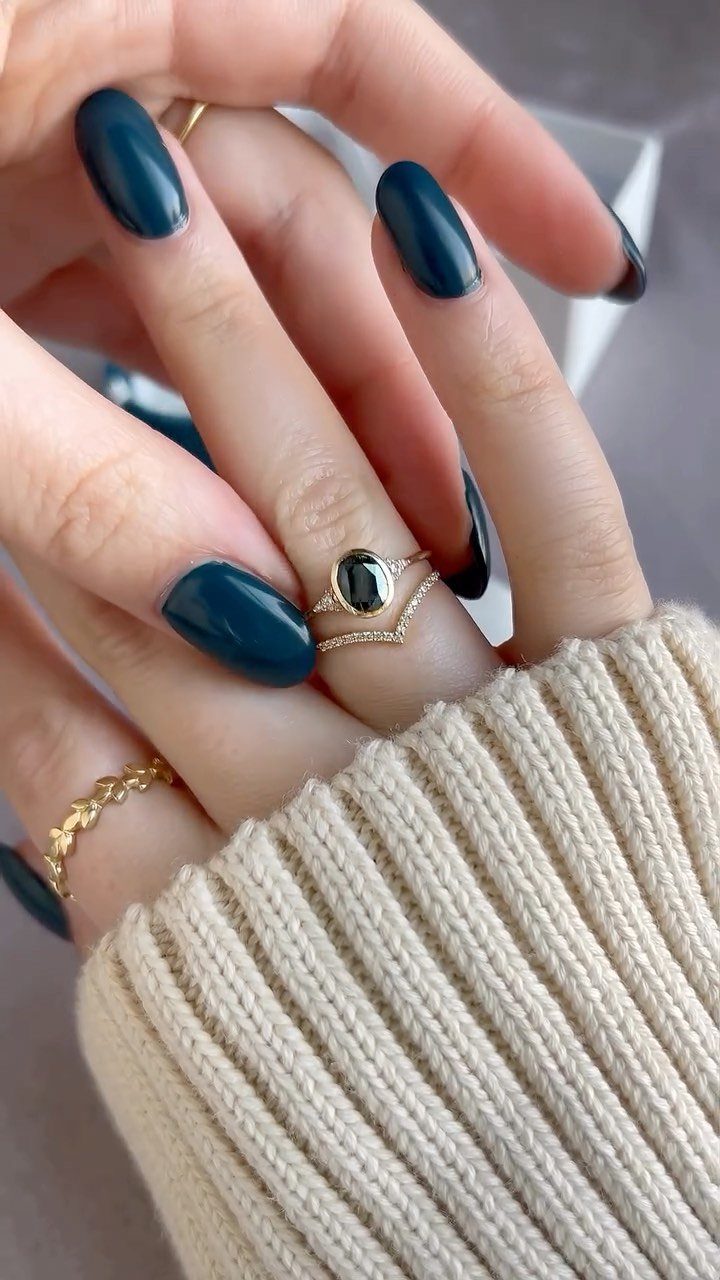
Deep blue gives a sapphire the look of old royalty, and an oval cut in a dark shade feels more personal than another white diamond.
For a moderate budget, this is where I would look first. A plain diamond band keeps the sapphire center stage and the cost down.
Ask to see the stone in daylight and indoor light before buying, because dark blues can read nearly black in dim rooms.
3. Emerald Engagement Ring
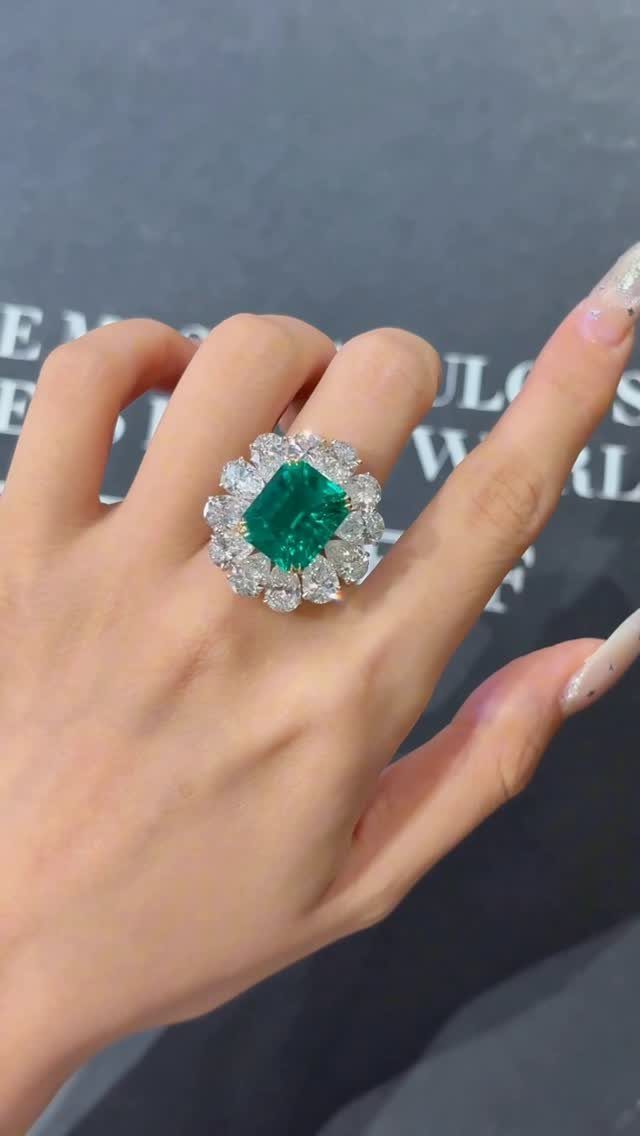
An emerald’s green has long stood for love and rebirth, which makes it a ring with a story built in. A diamond halo frames the color and gives the stone depth.
Look at the stone up close before you buy. Emeralds usually show small internal marks, and I would accept a few if the green is rich and even.
4. Ruby Engagement Ring
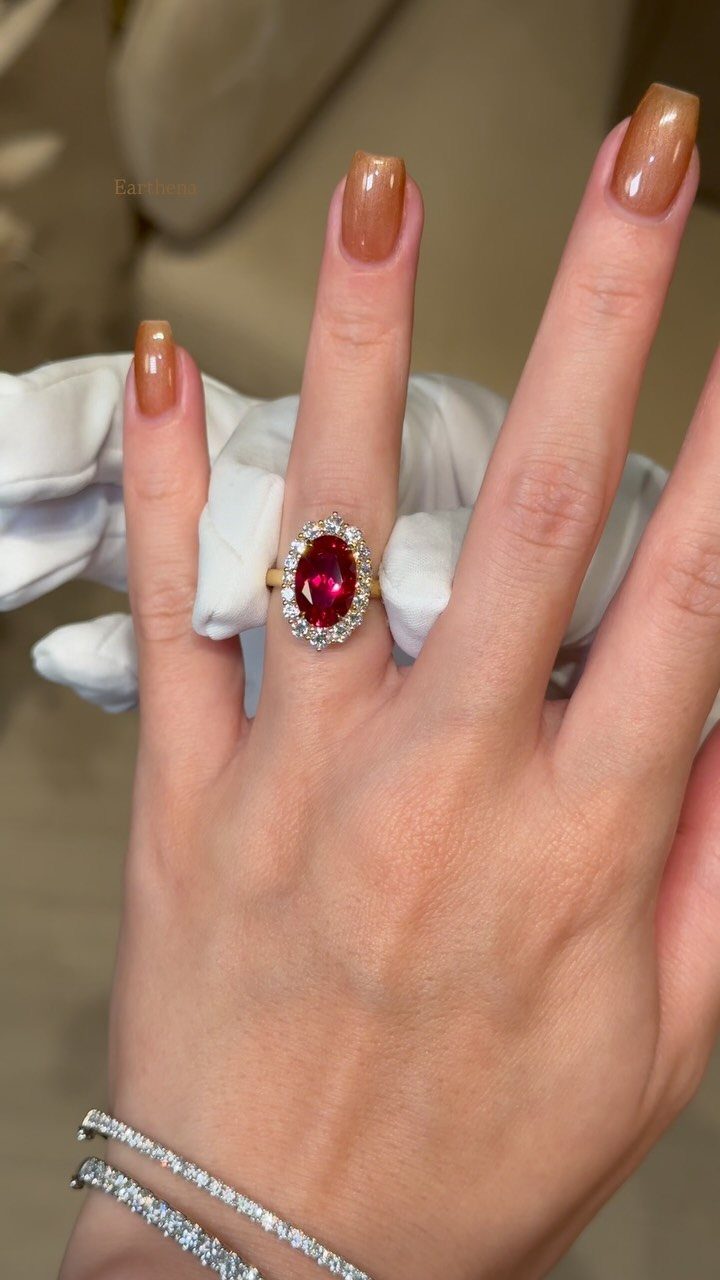
Red is the loudest color a ring can be, and a ruby commits to it fully. An oval ruby in a diamond halo reads bold but still polished, which is the balance I’d aim for if classy is the goal.
Pick the shade in person, since rubies range from pinkish to deep red. Stack it with a simple band so the stone stays the one statement.
5. Morganite Engagement Ring
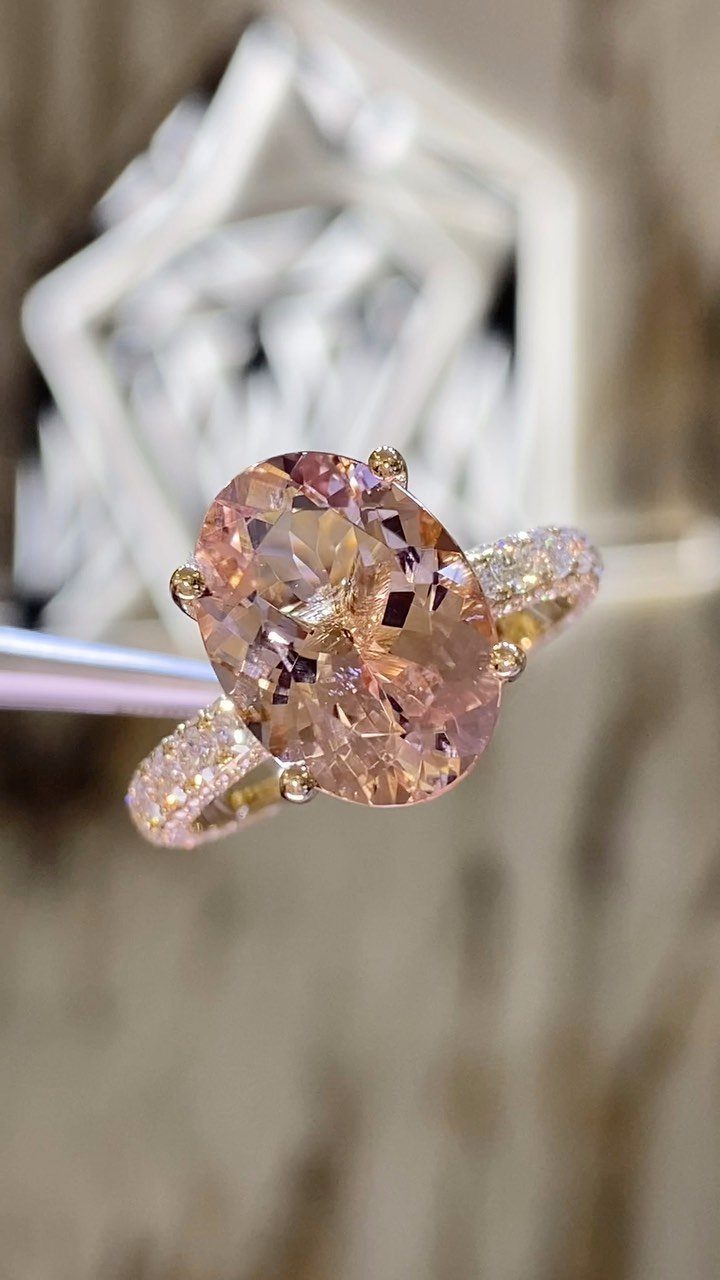
Morganite sits in a soft peach-pink that flatters nearly every skin tone, and rose gold deepens that warmth. A diamond-studded band brings sparkle morganite cannot deliver on its own.
If you want romance without the price of a pink diamond, this is my pick. Choose an oval or similar cut that keeps the color looking even across the stone.
6. Alexandrite Engagement Ring
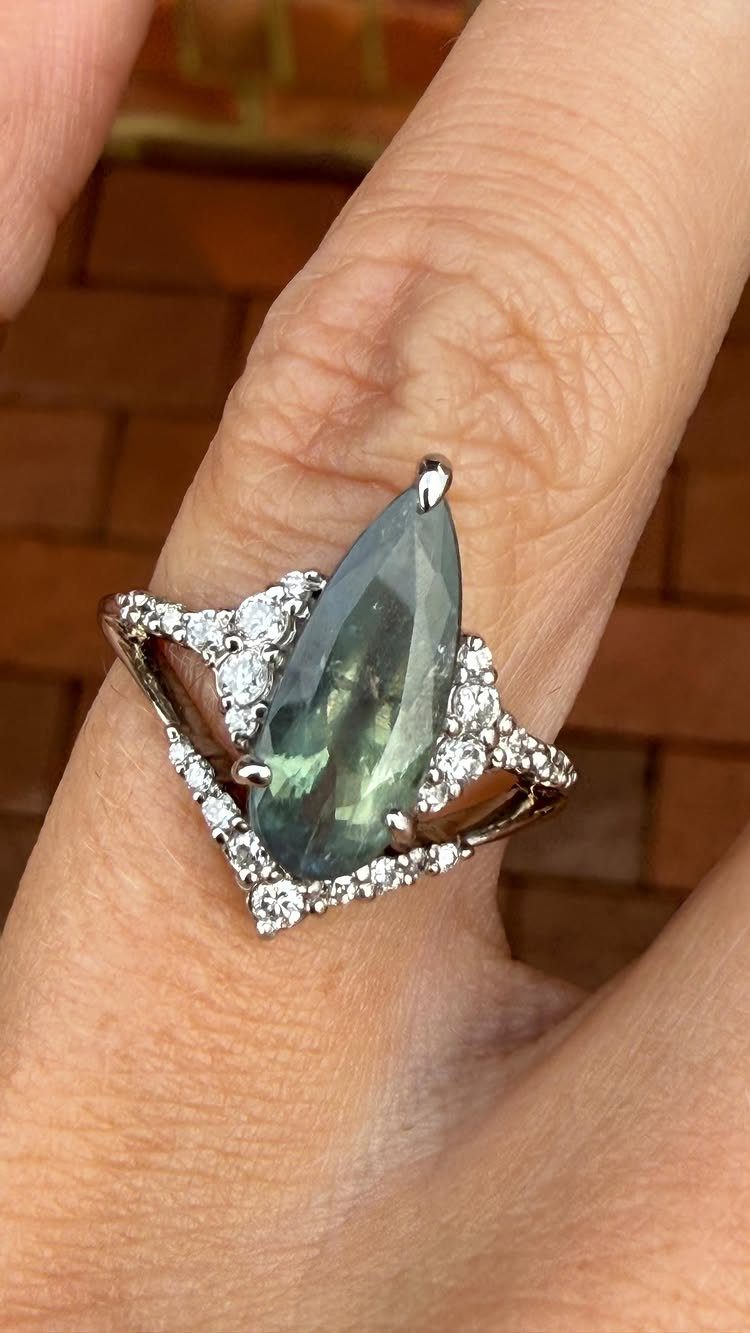
Alexandrite shifts color with the light, going from greenish in daylight to purplish under incandescent bulbs. That effect is the whole reason to choose it over a plain green gem.
Ask a jeweler to show you the stone under both daylight and warm indoor light so you can judge the shift yourself.
7. Opal Engagement Ring
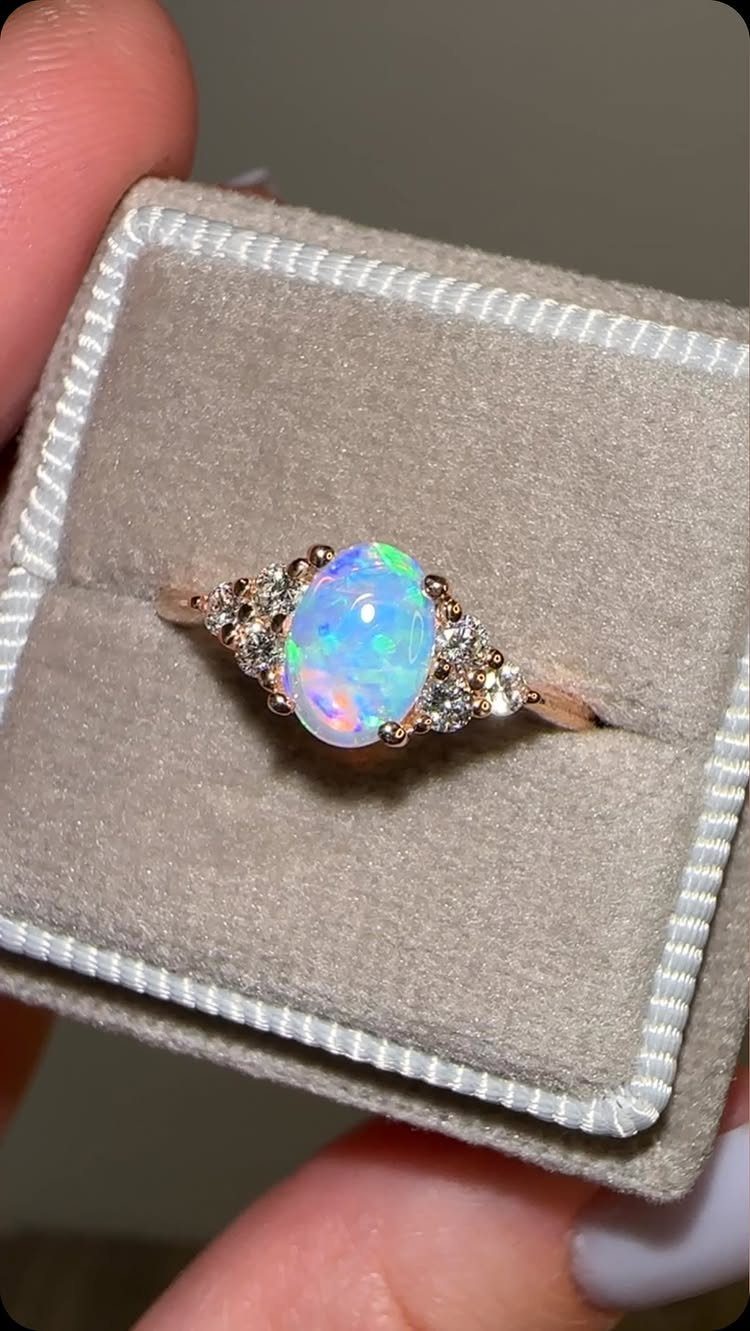
Every opal carries its own flashes of color, so no 2 rings match, and that suits anyone who wants a stone nobody else will have.
Rose gold with small side diamonds keeps the oval looking warm and polished rather than novelty.
Look at the stone under both daylight and indoor light, and pick the one whose color you still love in each.
8. Salt and Pepper Diamond Ring
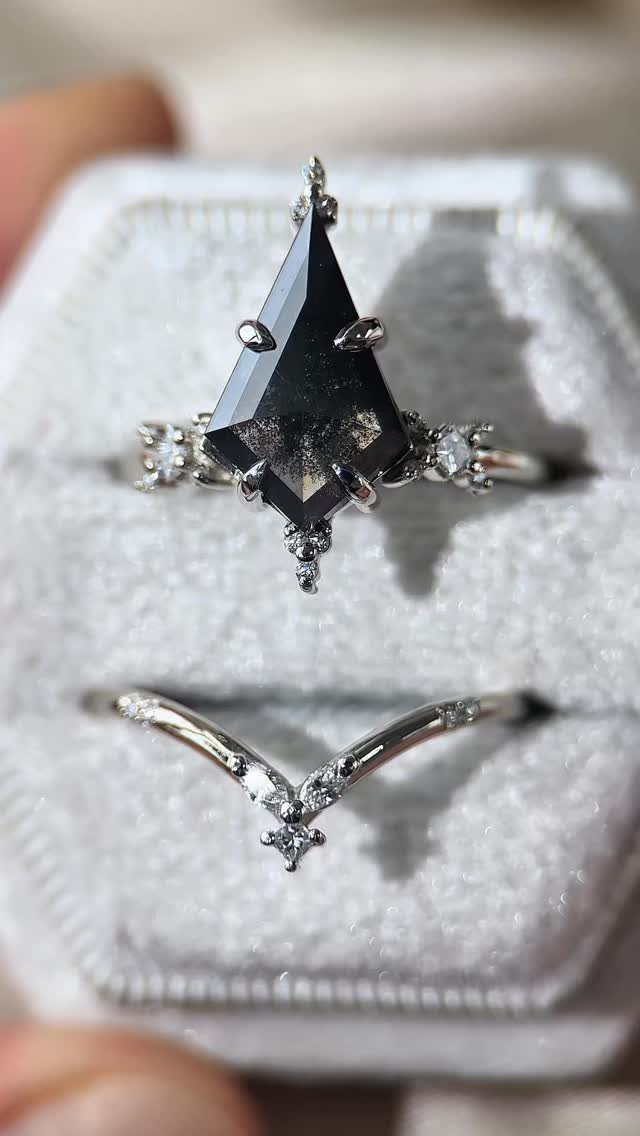
Speckled with tiny dark inclusions, a salt and pepper diamond looks like nothing else on the market, and a kite shape makes it feel deliberate and architectural.
For a moderate budget, I would choose this over a small, flawless white diamond.
Since every stone is patterned differently, judge the exact one you are buying. A V-shaped band follows the point of the kite and makes the pair look like they belong together.
9. Black Diamond Engagement Ring
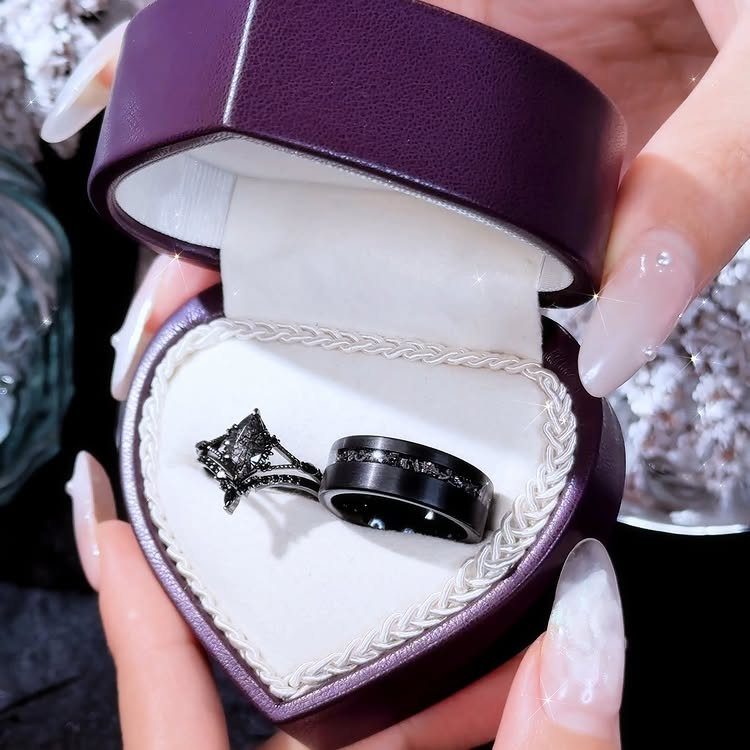
Black diamond reads as dramatic and modern, and a matching black band turns the ring and the wedding set into one clean look. That pairing is what I would copy.
Hold the stone up close before you commit, since black diamonds vary in how evenly dark they appear.
10. Rose Cut Diamond Ring
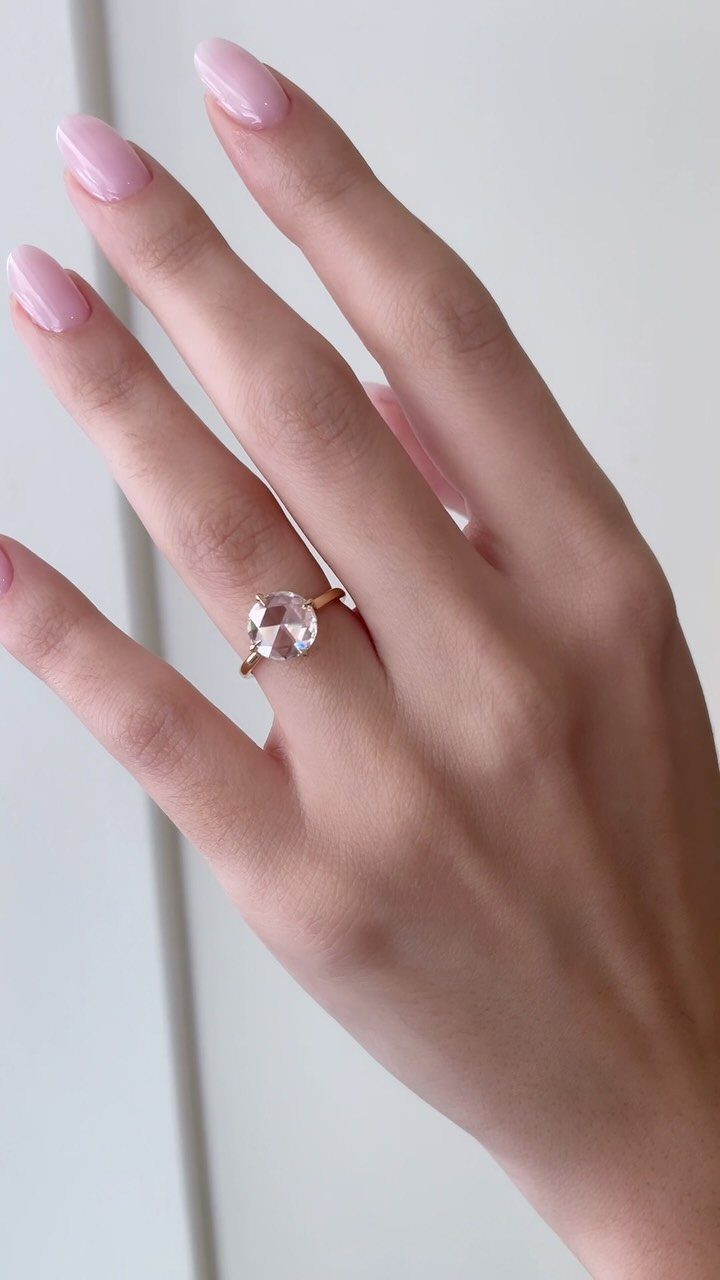
Rose cut diamonds trade the hard, icy flash of a brilliant cut for a soft, romantic glow, and a rose gold band deepens that feeling. On a hand with light, understated nails, the effect is quiet and polished.
If classy matters more to you than sparkle, this is the cut I would pick. Ask to see the stone in person, because the glow is gentler than what you are used to from a standard diamond.
11. Fancy Colored Diamond Ring
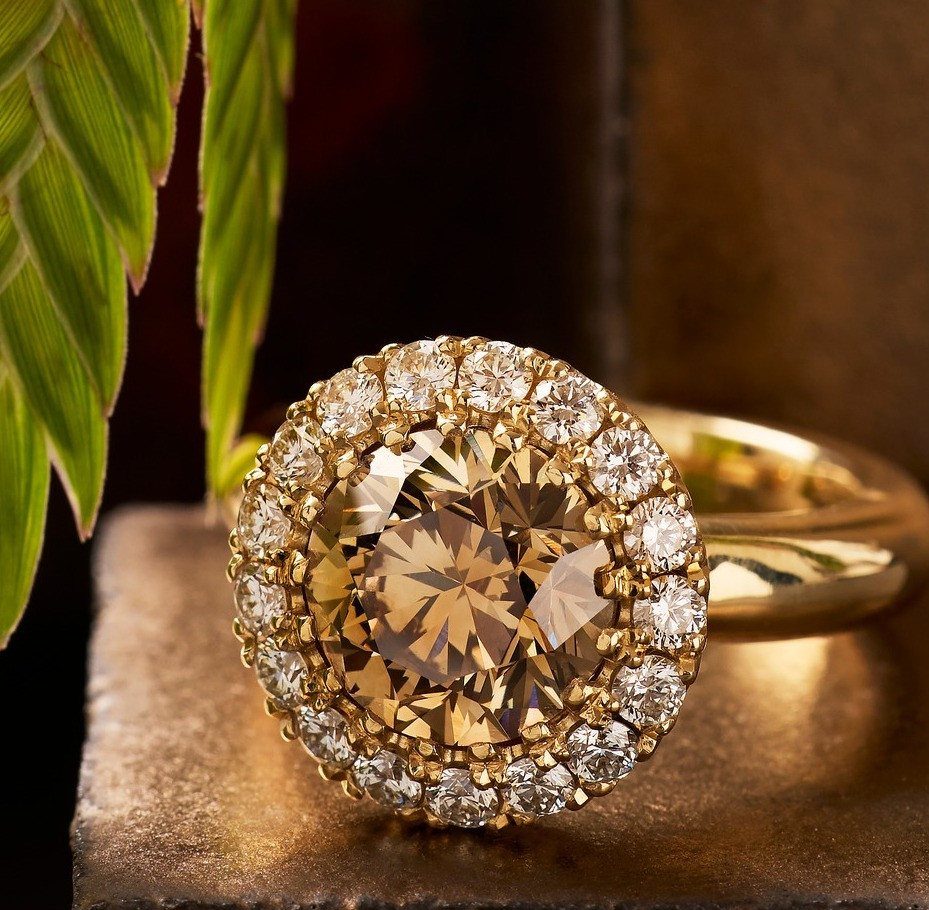
Champagne is the shade I would choose among natural colored diamonds: warm, soft and far more wearable than a loud color. A halo of white diamonds around the center sharpens the tone and makes the stone look larger.
Yellow gold pairs well with the warm tone. Compare the center against the halo diamonds in person, so the contrast looks intentional.
12. Vintage Art Deco Ring
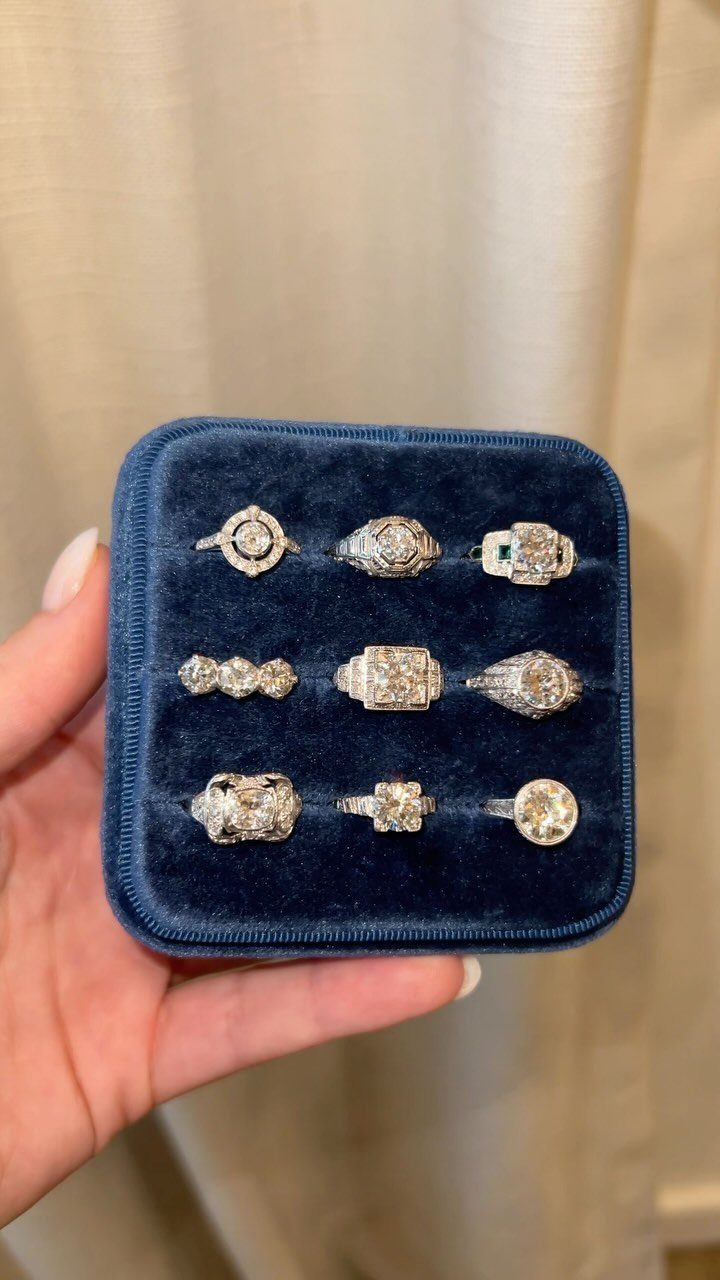
Art deco rings are built on geometry: symmetry, clean lines and crisp angles that still feel classy decades later. Because the style comes in many versions, I would try several on before settling on one.
Compare shapes side by side, as the rings in the box show, and choose the outline that suits your hand. A vintage-style ring gives you the look without the hunt for an original.
13. Nature-Inspired Engagement Ring
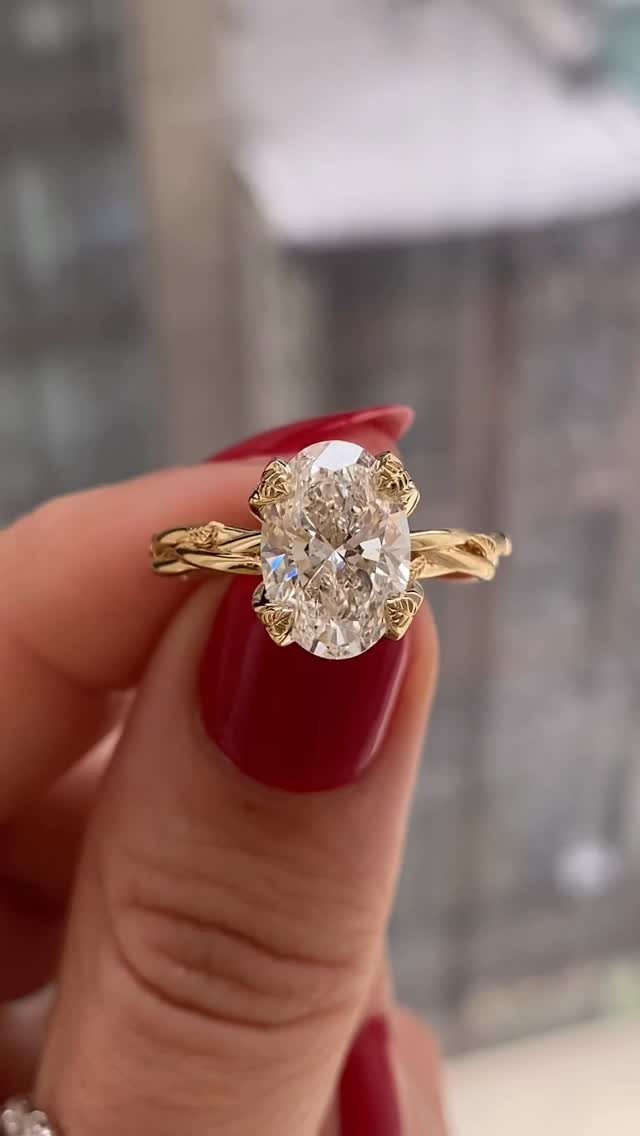
Leaf-like carvings along a gold band give an oval diamond a quiet botanical frame, and the detail lives on the band instead of crowding the stone.
For a moderate budget, I would put the design work there and keep the center stone simple.
Look at the engraving up close before you buy. Crisp, even vines on both sides of the stone are what separate a considered design from a decorative afterthought.
14. East-West Set Engagement Ring
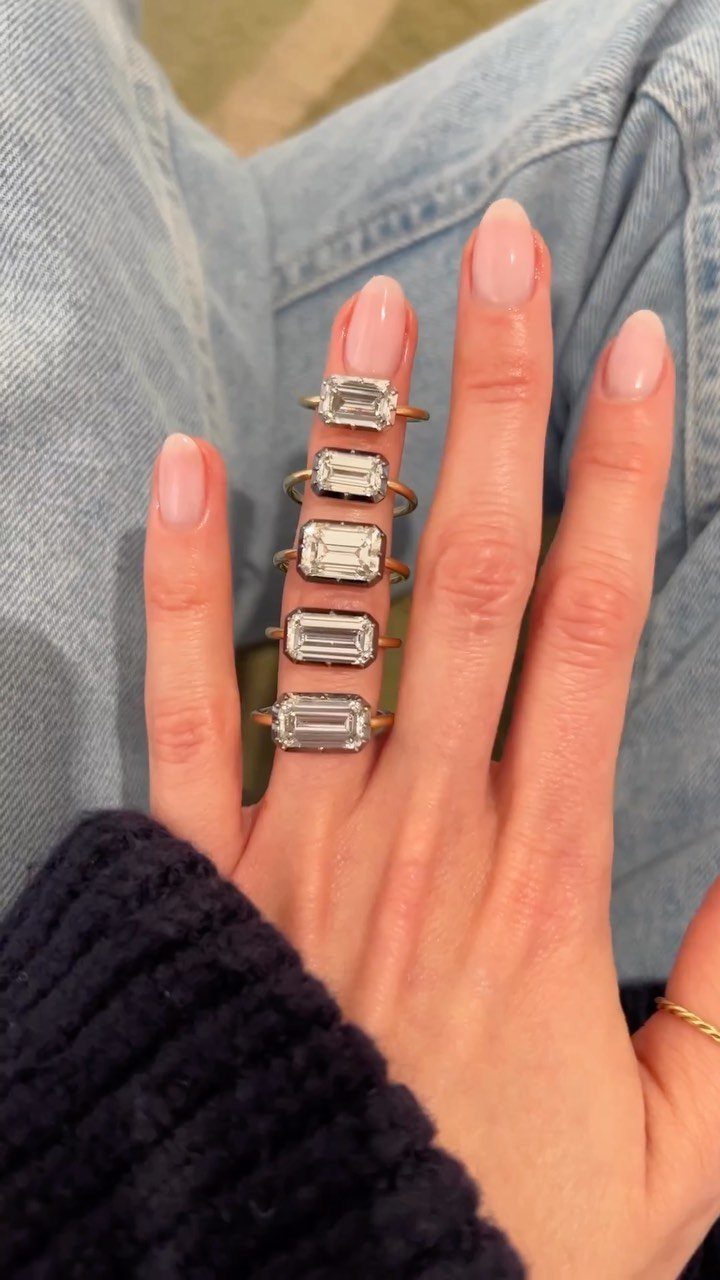
Turning an emerald-cut diamond sideways, so its long edge runs across the finger, is the whole idea of an east-west setting.
It reads modern and clean, and I like it more than a standard vertical setting for anyone who wants a classic stone to look new.
Try several on, since the same stone can look quite different depending on the width of your finger and the band. A plain, slim band keeps attention on the horizontal line.
15. Rose Gold Engagement Ring
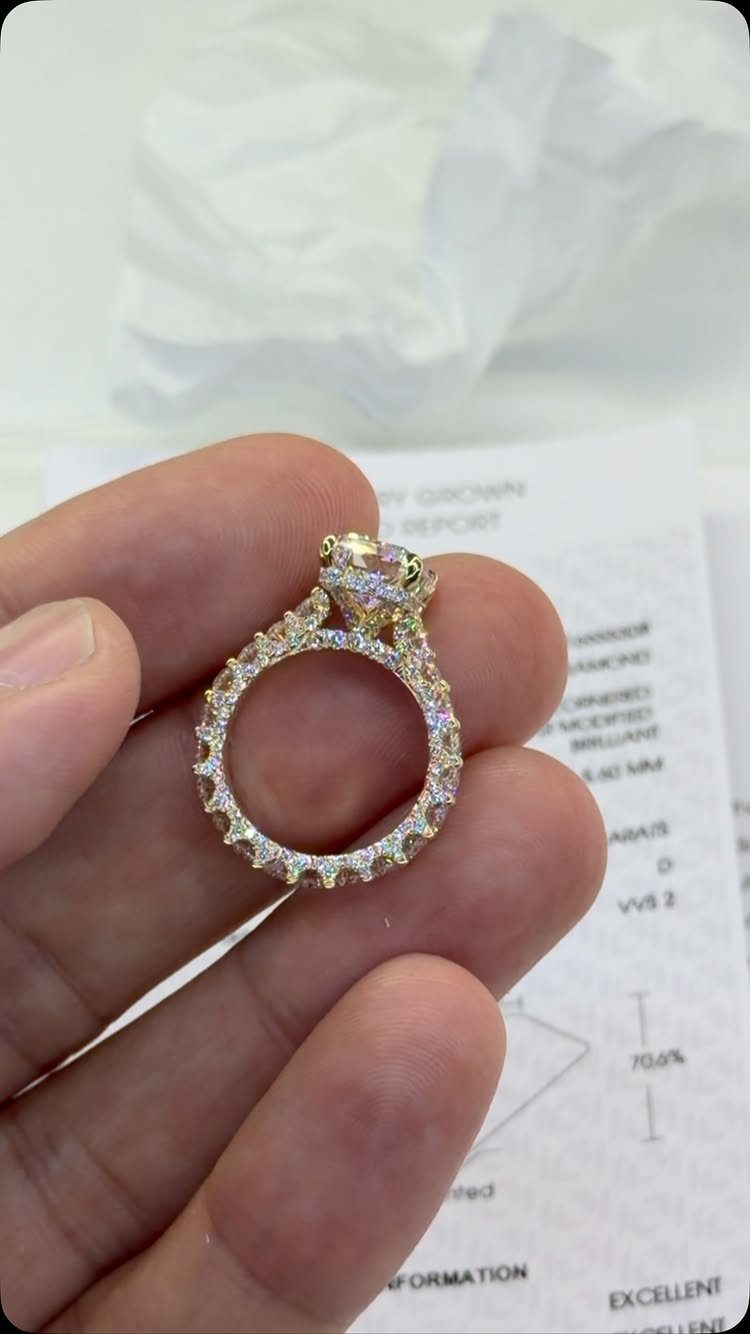
Rose gold gives a ring a warm, romantic tone that white metals lack, and a diamond halo with a pavé band turns that warmth into sparkle.
If you want romance that still looks polished, this is the metal I would choose.
Check the paperwork on the center stone, especially if it is lab grown, and ask to see the ring in person. A lab grown diamond is one way to get a larger center stone on a moderate budget.
Frequently Asked Questions
What is the classiest engagement ring shape?
For a classic stone with a fresh look, I would pick an emerald-cut diamond set east-west, with its long edge running across the finger.
A slim, plain band suits it best, since the narrow profile lets the long horizontal line of the stone do the talking. An oval is another polished choice, especially a dark blue sapphire or a ruby in a diamond halo.
What is the best website to design an engagement ring?
I can’t name a single best site, but I can tell you what to look for in a designer.
Before you pay anyone, look at the stone yourself and read its grading report, particularly when the diamond was grown in a lab.





