Your veil’s comb style, weight and length decide how the hair has to be built, so settle on the veil before you settle on the style.
The looks here run from half-up waves and a low bun to a romantic updo, a short-hair birdcage, loose waves and a birdcage updo, and the simplest leave the hair down under sheer fabric.
1. Half-Up, Half-Down with Veil
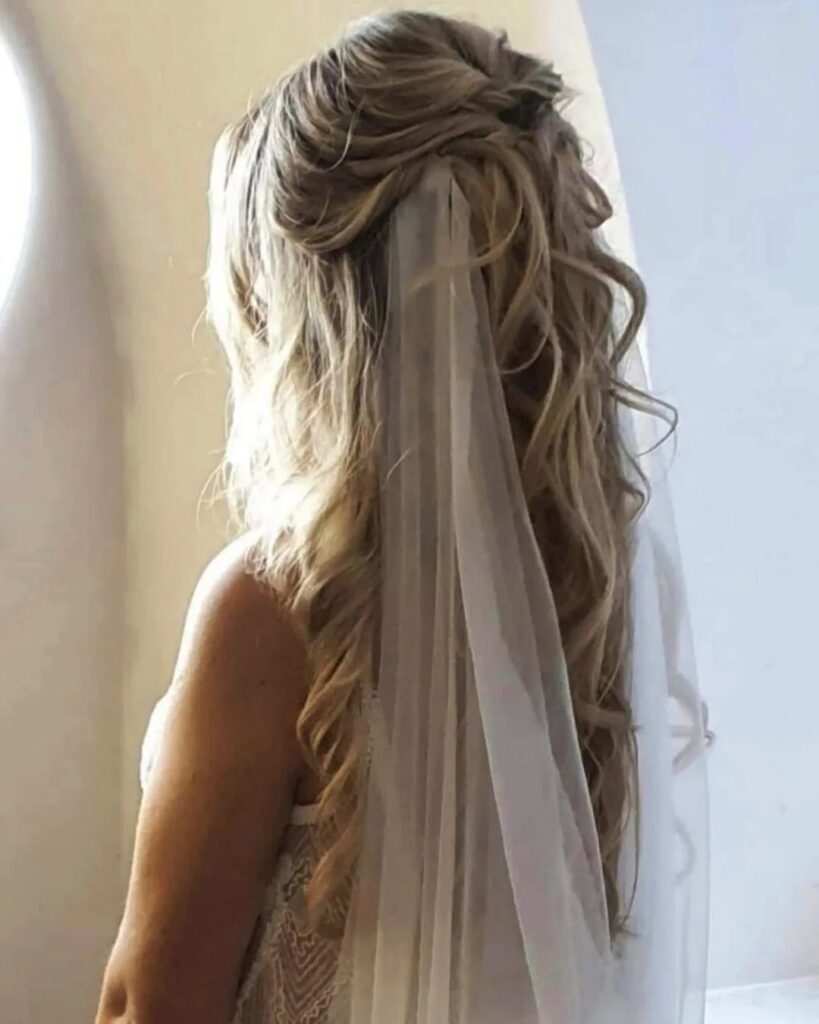
Loose waves pinned half-up leave the back of the hair open, so a long cathedral veil has a clear place to sit. Anchor the comb just under the pinned section, where the hair gives it something to grip.
I like this one for brides who want a veil without losing the length of their hair. Sheer tulle falling over soft waves looks best when the veil stays simple against the lace.
2. Low Bun with Veil
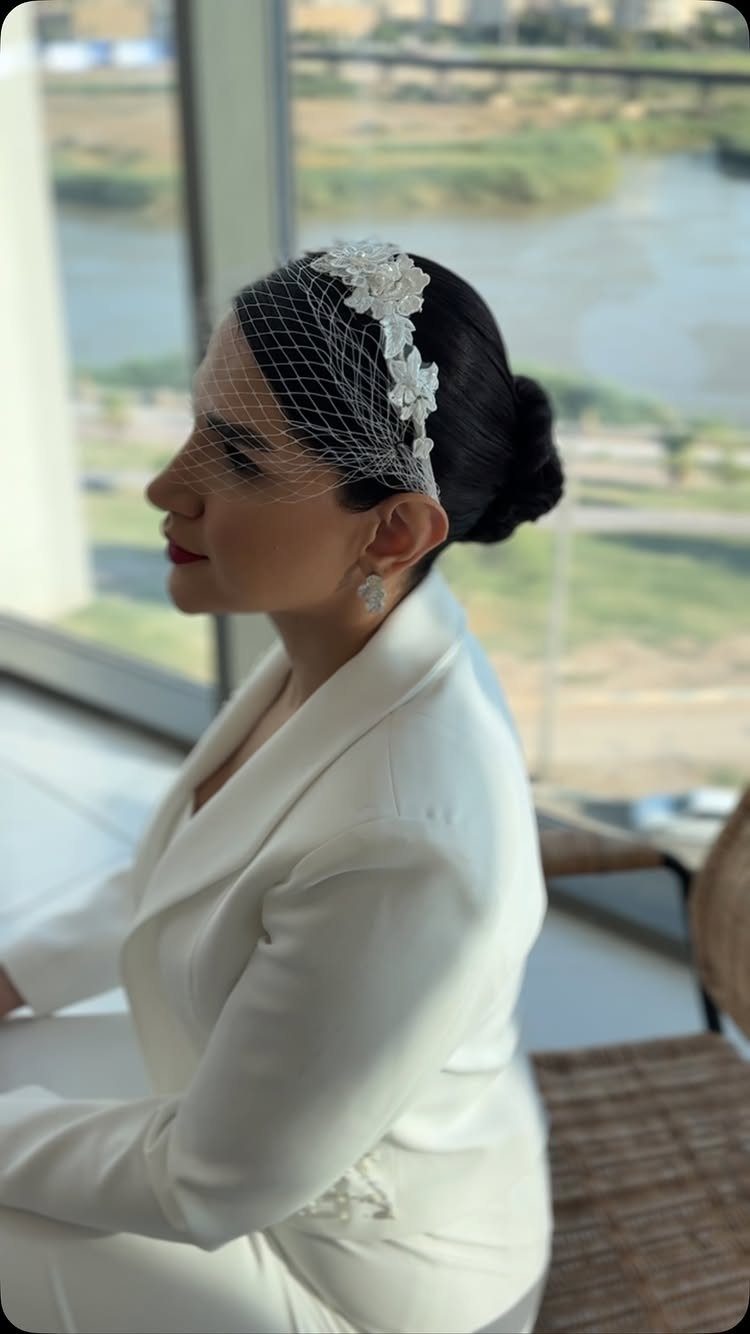
A low bun gives a birdcage veil a clean, quiet backdrop, and the placement does most of the work. Pin the veil above the bun, so the netting frames the face and the knot stays visible.
A floral birdcage veil paired with a white suit suits a bride who wants polish without fuss. Keep the bun smooth and let the veil be the only decoration.
3. Romantic Up-do
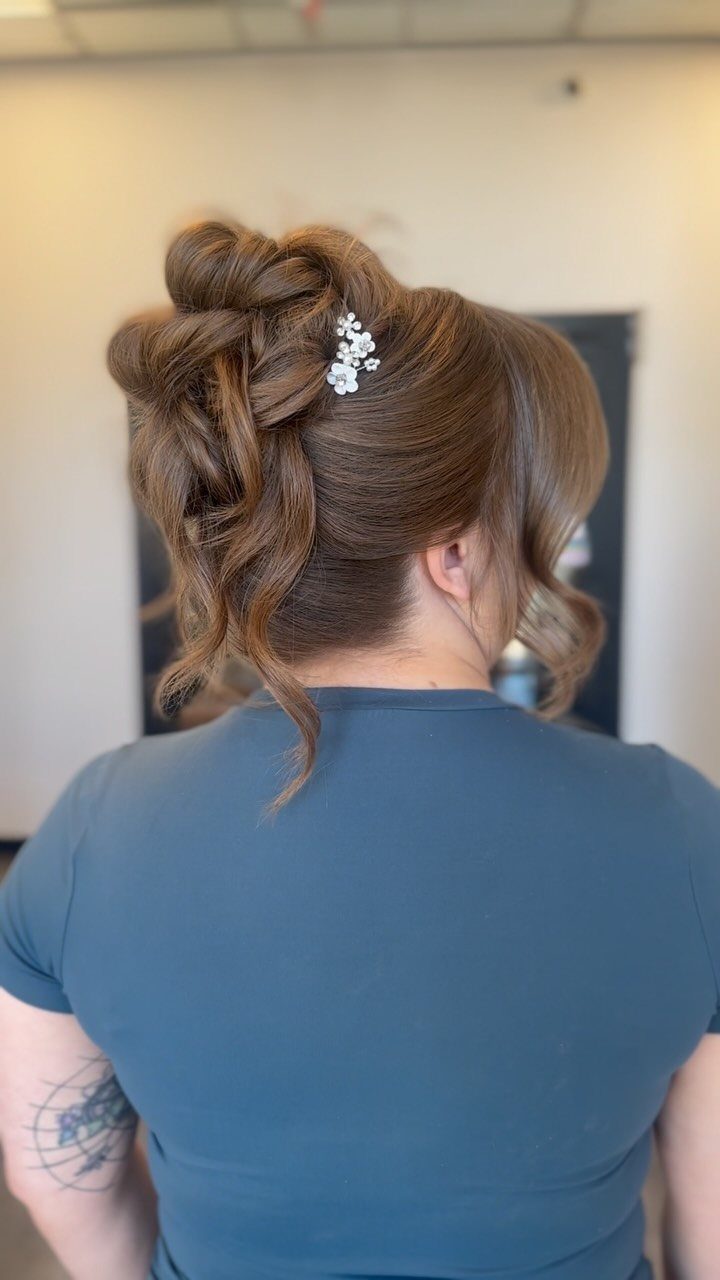
Pinned hair with a few loose pieces reads as romantic rather than rigid, and a small floral clip finishes it without competing with anything else. Brown hair holds that kind of softness well.
With an updo, I would anchor a veil beneath the bun or twist, so the hair holds it in place and the shape stays visible. 2 accessories fighting for the same spot is the usual mistake.
4. Short Hair with Birdcage Veil
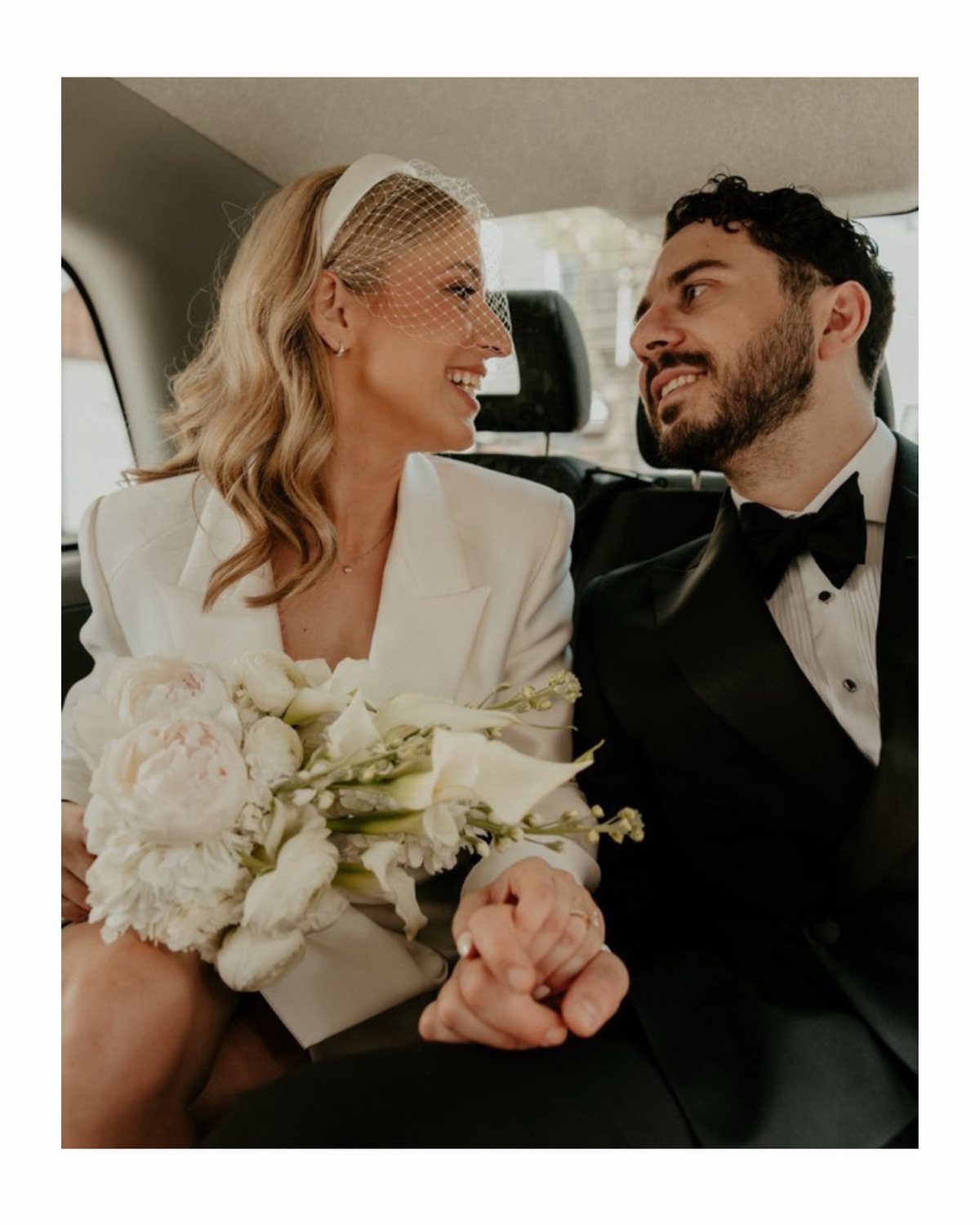
Blonde waves and a short birdcage veil make a lighter, more modern pairing than a long veil ever could. The veil sits near the face, so the waves stay free and the focus lands on the netting.
A white blazer shows that this look works beyond a traditional gown. I would choose it for a bride who wants a veil that does not trail behind her.
5. Wavy Hair Down with Veil
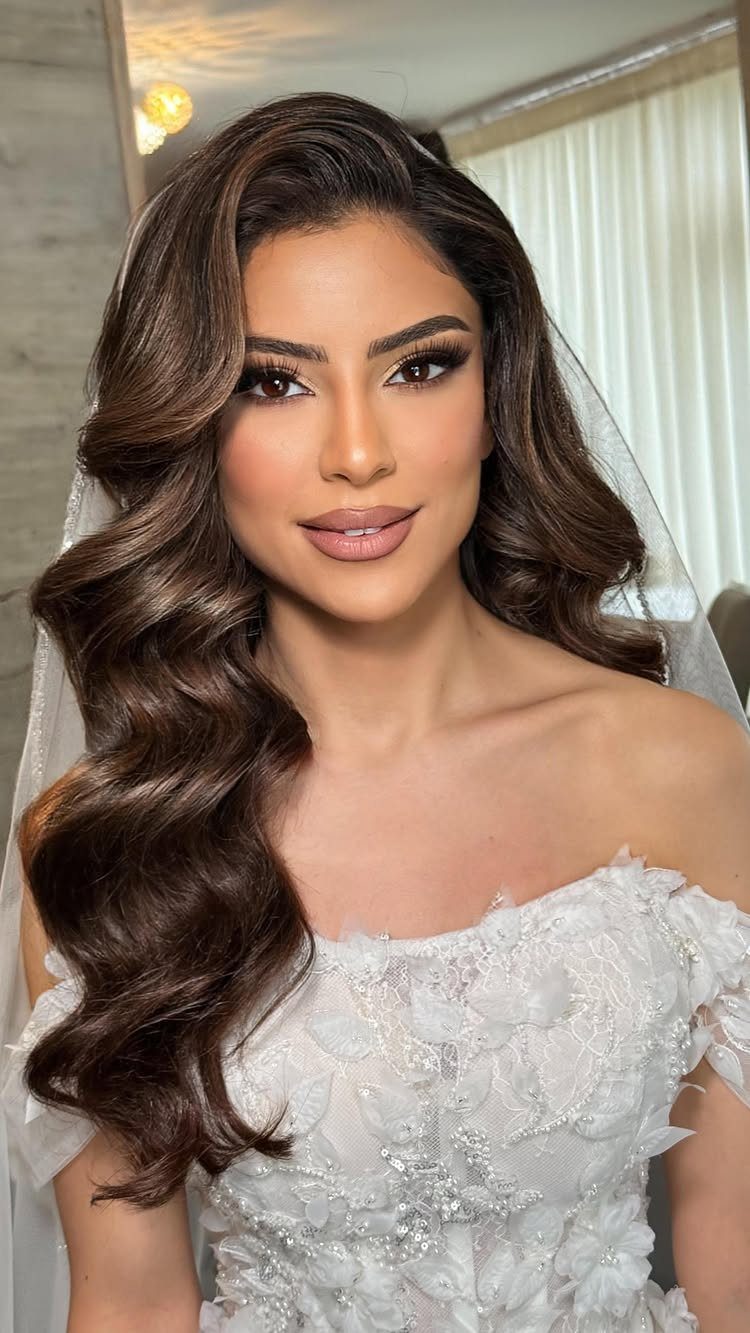
Long wavy hair worn down under a sheer veil is the least fussy option here. The veil floats over the waves, so a sheer fabric matters: heavy layers hide the hair you spent time styling.
Place the comb high enough to hold the veil firmly, then let the waves fall around it. For me, this is the best choice for brides who want to look like themselves.
6. Bridal Updo with Birdcage Veil
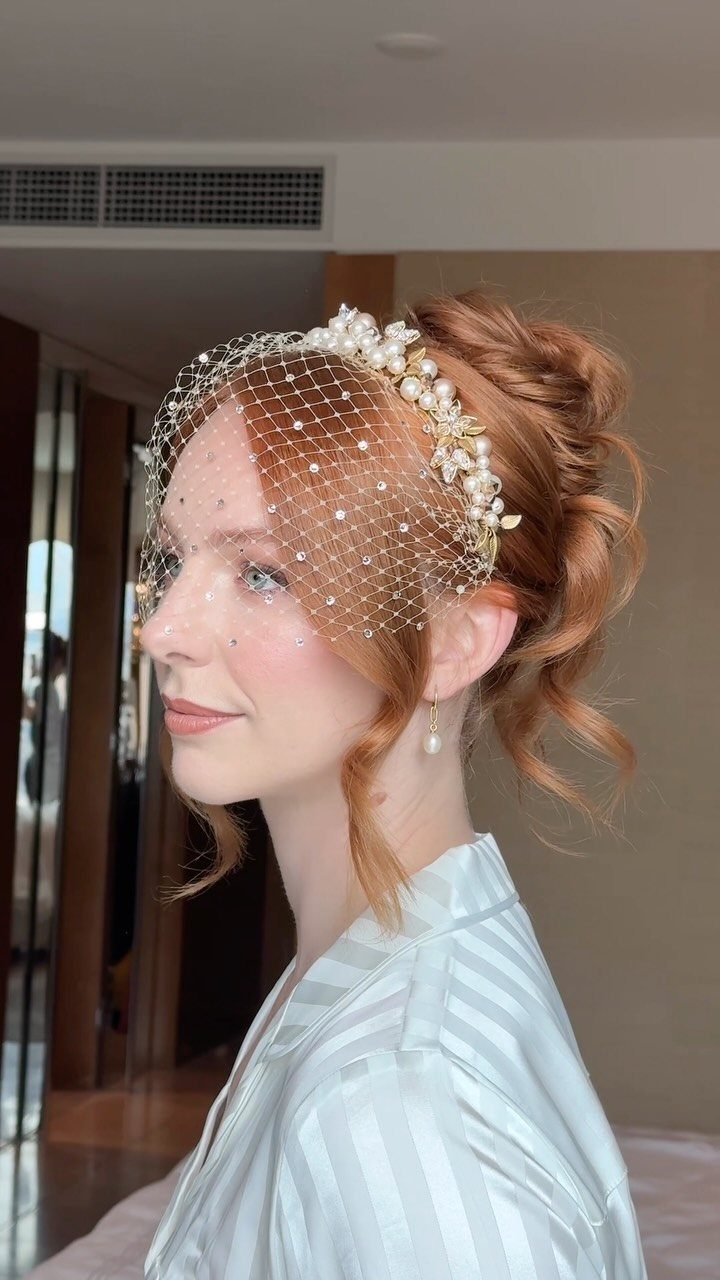
Red hair in a sleek updo pairs beautifully with pearls, and a pearl headband plus a pearl-embellished birdcage veil ties the whole thing together. Matching the pearl tone across both pieces matters more than adding extras.
Keep the updo smooth so the headband sits flat and the veil has a tidy base. I would skip any other hair jewelry; pearls this detailed need room.
Choosing the Right Veil
Length, weight and style of a veil each change how a hairstyle behaves, so test all three together first and settle the choice afterward.
A heavy or heavily beaded veil can get tiring after a few hours, so you may want to take it off after the ceremony; a lighter one can stay on until the last dance.
Hair structure matters more than most brides expect. A weak base under the veil means it slips or tugs, and no amount of pretty styling makes up for that.
Pick a style that looks finished both with and without the veil, because it comes off at some point.
Pick your 3 favorite looks ahead of the trial and bring them, along with photos of the veil and the dress, for your stylist to work from.
For many, a veil offers the finishing touch for a bridal look – especially when teamed up with the right hairstyle.
Veil Placement Tips
Set at the crown, a veil adds height and wraps more fabric around your face and shoulders. Near the nape, it reads as simple and light.
Check the view from the front, side and back before you decide. Set high, a veil frames the face; set low, it looks less full and lets more of your dress back show.
I’d pick the placement that holds the veil firmly and still shows the hairstyle you chose.
Trial Sessions Importance
If at all possible, take the real veil with you to the hair trial.
Comb style, weight and length all decide how your hair has to be built, and practicing the comb placement at the trial means fewer surprises on the day.
If your veil hasn’t arrived yet, borrow or buy a simple, inexpensive stand-in veil so your stylist has something to work with.
Also bring:
- Any hair accessories you plan to wear, such as pearl pins, flowers, clips or headbands
- Two or three hairstyle photos on hair like yours
- Earrings, extensions or your headpiece, if you’re using them
With the veil pinned in, snap photos from the front, side and back. Then remove the veil and look again, because the hair should still look complete without it.
Frequently Asked Questions
Do I have to bring my veil to my hair trial?
Yes, bring the real veil if you possibly can. Without your real veil in hand, a cheap or borrowed one in a similar length gives your stylist something to pin against.
Will my hairstyle affect the style of veil I can wear?
Mostly it affects where the veil sits, not whether you can wear one. Almost any hairstyle can carry a veil, but the two should be planned together.
A light birdcage veil is easy to attach, while a long cathedral veil needs a clear spot, like the open back of a half-up style, and a solid base of hair to grip.
When should I put on my veil?
For a shorter veil, have your stylist pin it in while doing your hair. A longer or heavier veil is best added right before the ceremony, since it gets tiring to wear for hours.
A bridesmaid or your mom can seat it for you; I’d lock the comb in by crossing two or three bobby pins over its teeth.
What should I bring to my bridal hair trial?
The veil goes in the bag first, along with pearl pins, flowers, clips, a headband or whatever else will sit in your hair.
Photos of the dress help too. Your stylist can then build the style around the whole look.





