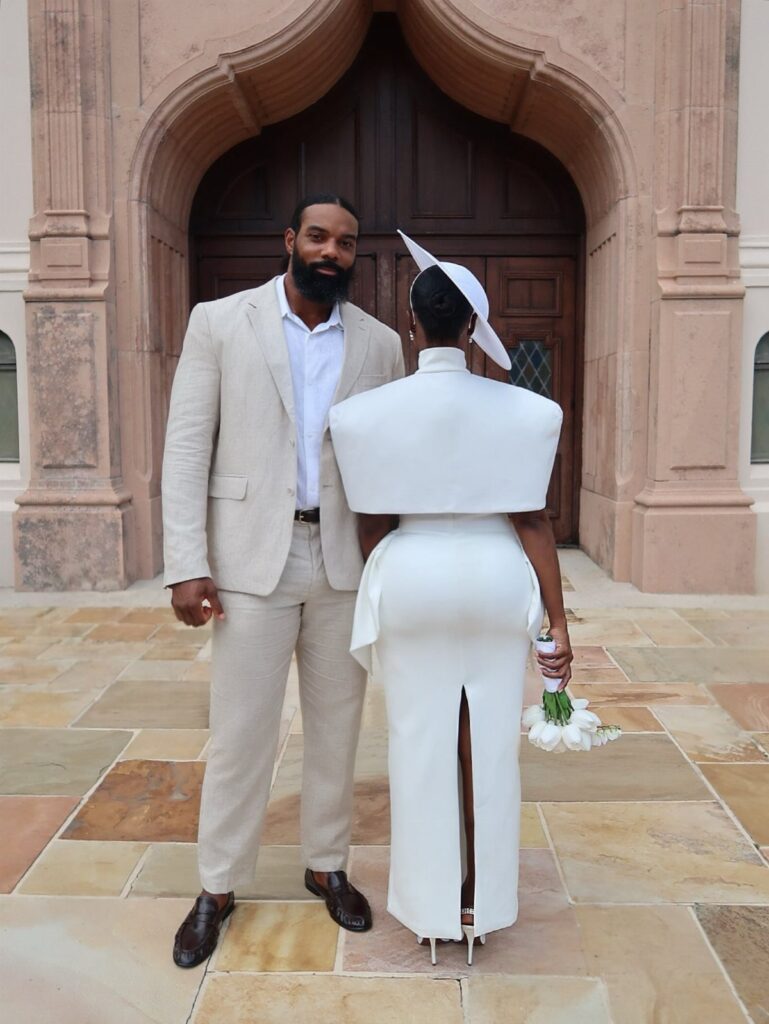
These 5 long courthouse wedding dresses sort by silhouette and detail, from sleek minimalist gowns to boho styles with texture, and midis that stop mid-calf to floor-length maxi cuts.
Season decides the fabric: crepe works year-round, mikado or satin suits winter, and tulle or lace suits warmer months.
Pick your dress by the venue itself: courthouse steps, narrow hallways and tile floors favor a hem that clears the ground and a silhouette that moves through doorways without adjusting.
1. Elegant Midi Bridal Dresses
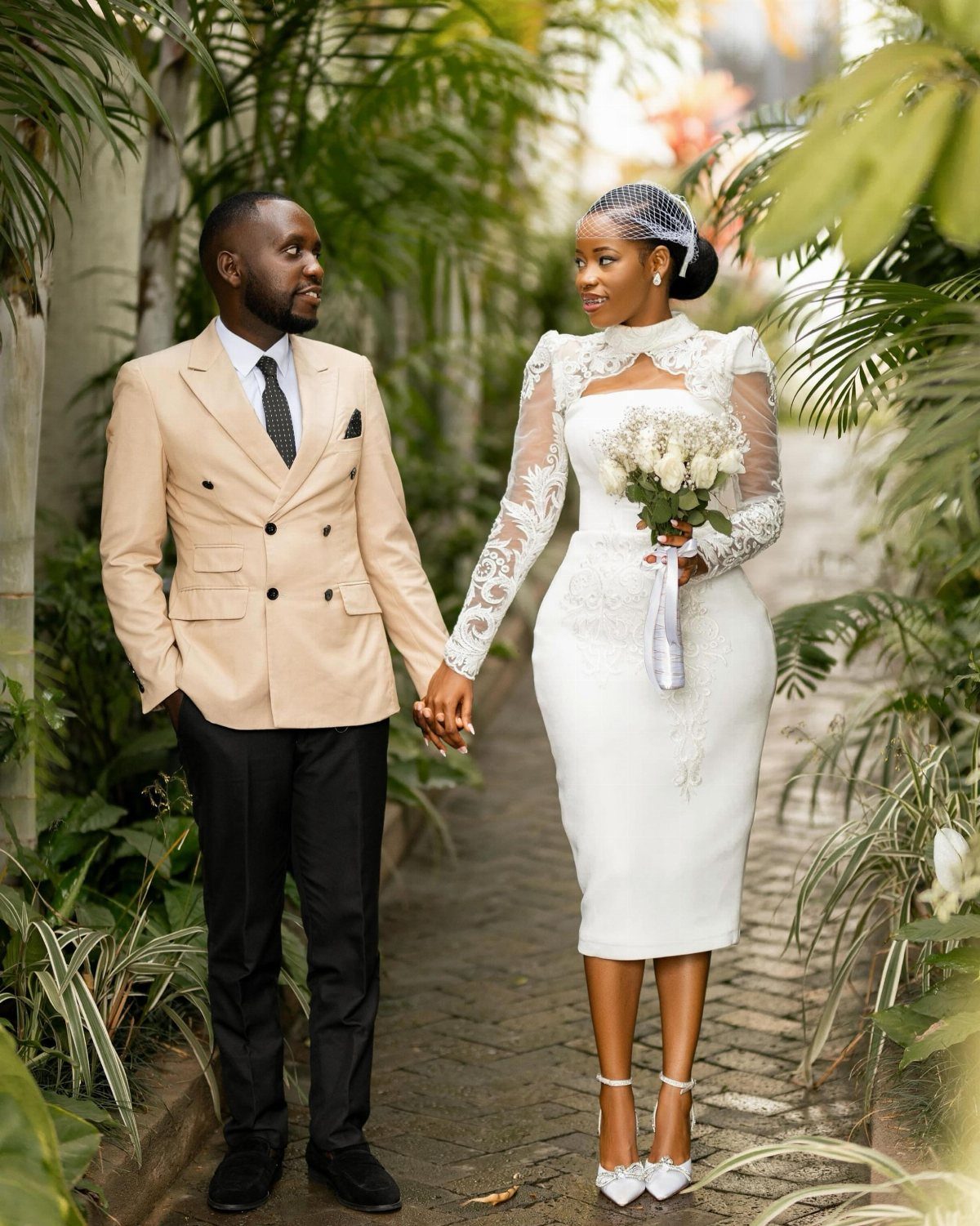
A midi hem lands between the knee and the calf, which keeps it out of puddles, stairwell grit and the curb outside the clerk’s office. For a courthouse ceremony, that is a practical kind of pretty.
I would pair it with a veil and low heels or flats, since the hem shows off your shoes. Cathedral-length veils look out of place in a small office, so a shorter one suits the scale better.
2. Long Sleeve Wedding Dresses
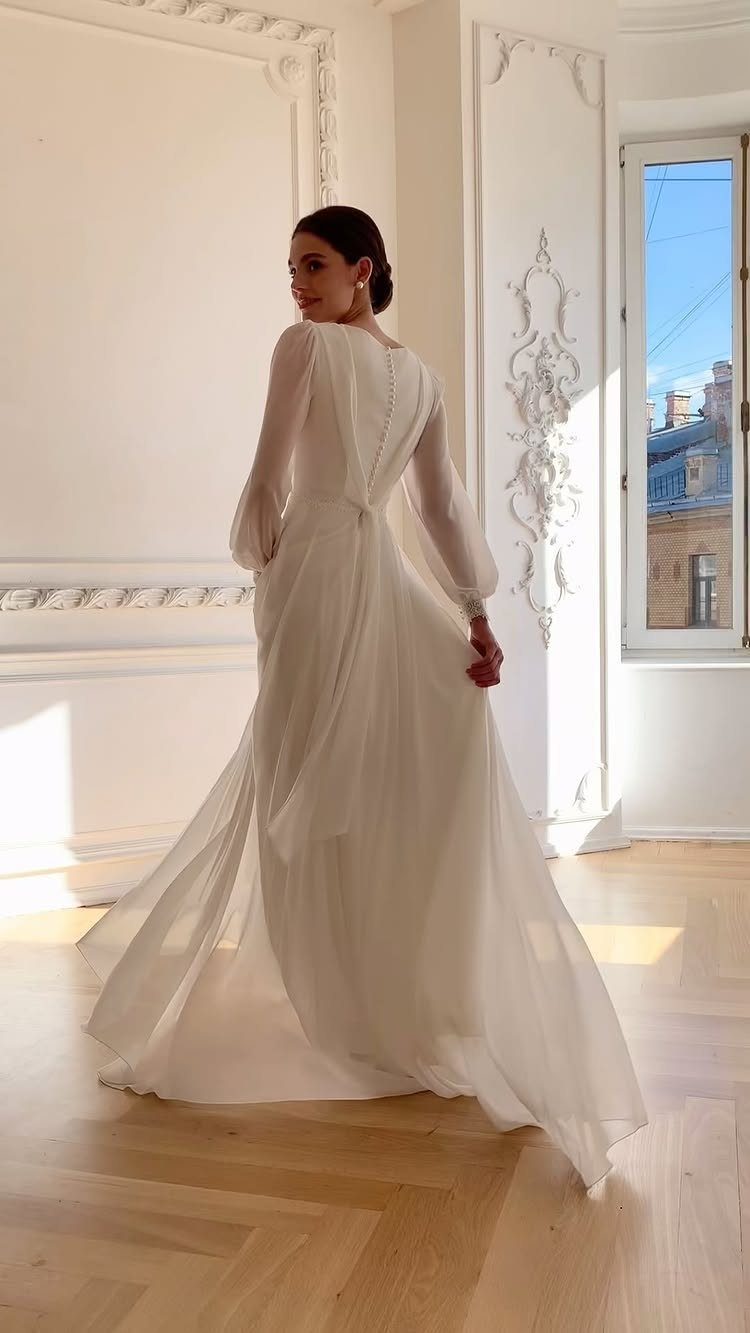
Sleeves do a lot of the dressing for you. A long-sleeve dress needs little more than simple earrings, and courthouse offices are often chilly, so you skip the cover-up.
Check that you can lift your arms to hug people and sign the license. Try the dress on and raise both arms before you buy.
A floor-length hem keeps it formal. If the budget is tight, a plain long-sleeve dress in white is easy to find in ready-to-wear.
3. Maxi Bridal Gowns
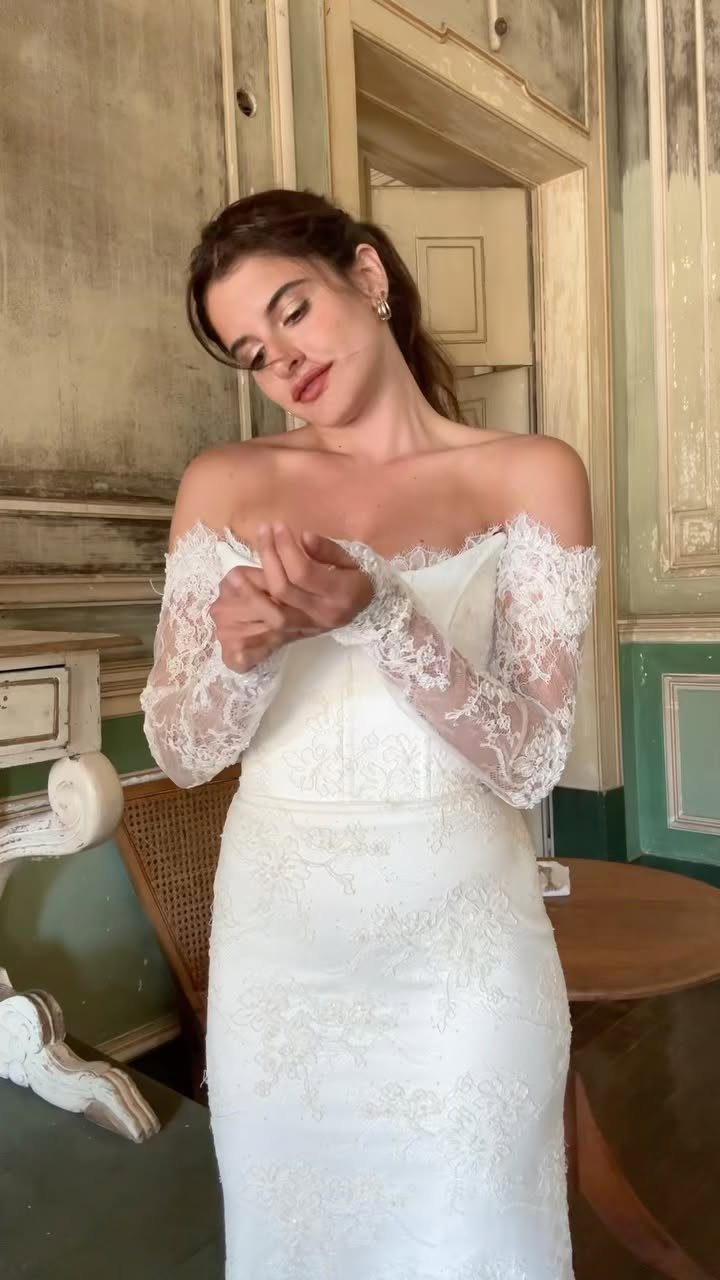
Off-the-shoulder lace in a floor-length cut gives a courthouse day the full bridal look without a ballroom skirt.
I would choose a soft, flowing skirt over a ball gown, because courthouse hallways are narrow and a big skirt becomes a chore.
Wear your hair up to show the neckline, and skip a long necklace.
Have the hem set so it clears your shoes. You will climb steps and walk on tile, and a hem you keep stepping on gets old fast.
4. Minimalist Wedding Dresses
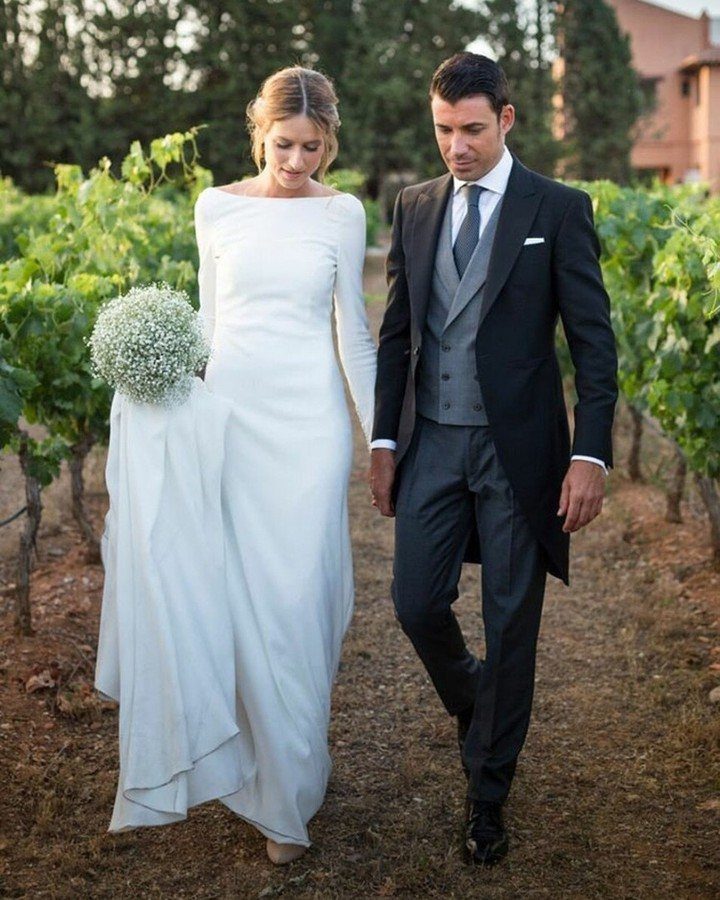
Clean lines and a plain white fabric make this the easiest dress to wear to a civil ceremony. With no beading or appliqué to compete, the cut and the fit carry everything.
That also means a minimalist dress costs less to alter than a heavily embellished one. Spend the savings on tailoring, since a plain dress shows every pull and wrinkle.
I would keep accessories to one thing: earrings or a hair piece, not both.
5. Boho-Style Wedding Dresses
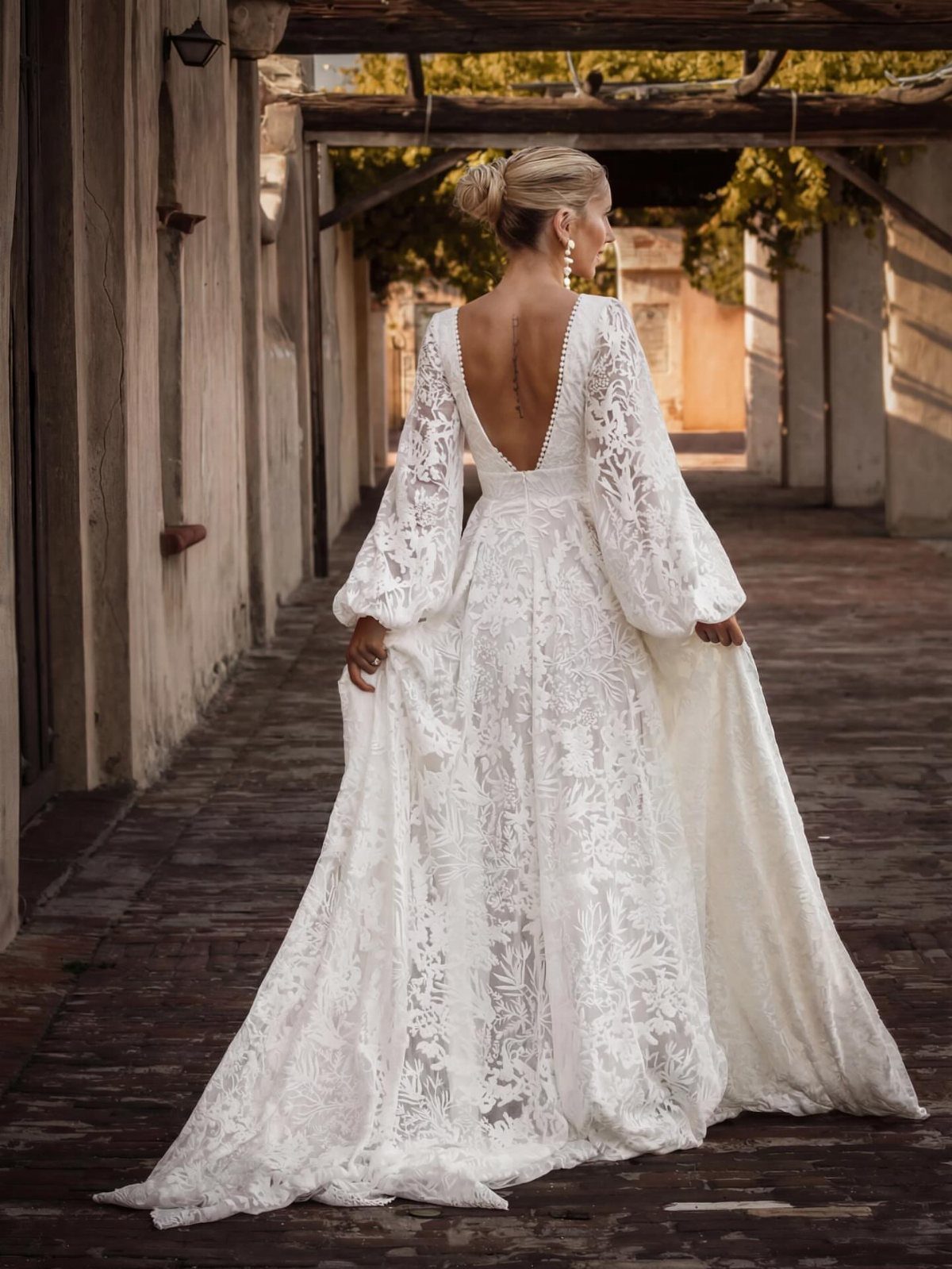
Lace, balloon sleeves and a deep V-back give a boho dress its relaxed shape, and it looks right in a courthouse because it never feels stiff. The look is romantic without being fussy.
A low back needs a plan for a bra, so look for built-in support or use adhesive cups. Sleeves that gather at the wrist are comfortable, but check that they do not catch on the pen when you sign.
Loose waves and a small flower crown or no veil finish it.
Choosing the Right Fabric
Season should steer the fabric more than the silhouette does. Crepe works year-round because it holds structure and still moves, indoors or out.
For a winter ceremony, mikado or satin gives warmth with a sheen and a clean drape.
In spring or fall, tulle, plain or embellished, stays airy. In summer, lace or lace-accented dresses breathe and add a little transparency.
Lightweight chiffon, tulle or satin keeps you comfortable through the ceremony. Before you buy, sit down in the dress and see how the fabric behaves; a short civil ceremony still includes waiting in line and posing for photos.
Styling Tips for Civil Weddings
Pick one accessory to carry the look, and let the dress do the rest. A short veil or small earrings complete the look without competing for attention.
Pick shoes you can stand in, and go for a silhouette that photographs well in 20 years. You will be standing and walking on hard floors, so a classic style you can wear for hours beats a dramatic one.
If the dress is already bold, such as a strapless cut, a corseted bodice with a sweetheart neckline, or an open back, keep everything else quiet. A sleek dress with a strong shape needs very little added to it.
Dress Versatility
Judge a dress by how many other occasions it could cover. A simple cut in a color other than stark white is the easiest to wear again, since it reads as a dress rather than a costume.
Ask your tailor whether the hem, straps or sleeves can be altered after the wedding. Taking a long hem up to midi length, or removing a detachable overskirt, gives you a second dress from the first.
Plan the re-wear before you buy. Picture the event, the shoes and the jewelry, and if you can’t, keep looking.





